Existing Patients
(949) 880-6638
New Patients
(949) 216-3427


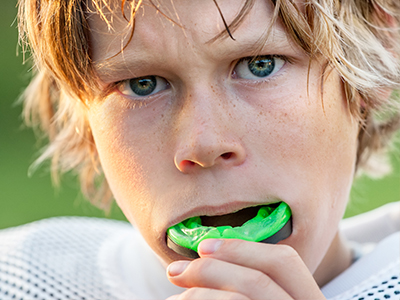
Sports-related dental injuries are common across age groups and activity levels, and many are entirely preventable with the right protection. Wearing a properly fitted mouthguard dramatically reduces the chance of chipped or knocked-out teeth, soft-tissue cuts inside the mouth, and more serious jaw or facial injuries. At ProSmiles OC, we prioritize practical prevention—helping athletes, weekend warriors, and parents understand how mouthguards fit into a broader plan for safety and long-term oral health.
Collisions, falls, and impacts from equipment can transmit force to the teeth and jaw in ways that cause immediate damage and long-term problems. A mouthguard acts as a shock absorber that distributes and dampens that energy before it reaches fragile dental structures. By reducing peak forces, a mouthguard lowers the risk of fractures, luxations (loosened teeth), and injuries that could require complex restorative care down the road.
Beyond protecting teeth, mouthguards guard the soft tissues inside the mouth—lips, cheeks, and tongue—by preventing direct contact with sharp tooth edges during an impact. They also reduce the likelihood of lacerations that can lead to bleeding and infection. For contact sports where mouth-to-mouth impacts, elbows, or equipment strikes are common, this layer of protection is particularly valuable.
Importantly, mouthguards can play a role in minimizing concussion risk by lessening jaw forces and reducing transmitted shock to the skull. While they are not a guaranteed concussion prevention device, properly designed mouthguards contribute to an overall protective strategy that includes helmets, face shields, and safe play practices.
Mouthguards are available in three main categories. Ready-to-wear stock guards are inexpensive and available at sporting goods stores, but their generic fit often makes them bulky and less protective. Boil-and-bite guards, which soften in hot water and are shaped by biting down, offer improved comfort and retention compared with stock models. However, they still rely on the athlete’s technique for shaping and may not provide ideal coverage.
Custom mouthguards made by a dental professional deliver the best combination of fit, comfort, and protection because they are fabricated from an impression of the individual’s mouth. This precision fit improves retention, reduces movement during play, and allows for better breathing and speech. Custom guards can also be tailored for athletes who wear braces, have prosthetic work, or need additional cushioning in problem areas.
When choosing among options, consider the frequency and intensity of play. For high-contact sports or athletes who train regularly, the long-term benefits of a custom guard—comfort that encourages consistent use and superior protection—often outweigh the convenience of store-bought alternatives.
A custom mouthguard typically begins with a quick and comfortable impression or a digital scan of your teeth. The impression captures your dental anatomy so the lab can craft a guard that hugs the contours of your teeth and gumline. Digital scanning offers a faster, fully digital workflow and can streamline the fabrication process while maintaining accuracy.
Laboratory fabrication uses durable, layered materials chosen for resilience and shock absorption. Technicians build the guard to the specifications discussed with the dentist—covering only the upper teeth in most cases, or both arches when needed for specific conditions. Once ready, the dentist checks fit and comfort, makes any final adjustments, and explains how the guard should feel when properly seated.
Because each athlete’s needs differ, many dental teams will discuss customization options such as enhanced thickness in the contact zone, added retention features for players with narrow arches, or adaptations for patients undergoing orthodontic treatment. The goal is a guard that the athlete tolerates easily so it is actually worn during practice and competition.
Not all sports carry the same oral risks. Full-contact sports—football, hockey, lacrosse, and boxing—typically require the highest level of protection, while lower-contact activities may allow more flexibility in guard selection. Consider the athlete’s position and style of play, too: linemen and enforcers who experience frequent collisions may need thicker impact zones than athletes in sports with intermittent contact.
Age and development matter as well. Young athletes experiencing rapid dental changes may benefit from guards that allow periodic adjustments or replacement, while adult athletes can rely on a stable custom fit. Players with braces or other dental appliances should consult a dental professional because poorly fitting guards can trap wires or fail to protect the teeth adequately.
Comfort and functionality are essential for consistent use. A well-fitted guard should allow clear breathing, normal speech, and minimal salivation. If a guard interferes with performance or causes gagging, athletes are less likely to wear it—so prioritizing comfort is part of designing an effective protection plan.
Proper care extends the life and performance of a mouthguard. Rinse the guard with cool water after each use, brush it gently with a soft toothbrush and mild soap, and allow it to air-dry before storing in a ventilated case. Avoid exposing the guard to high heat—hot water, direct sunlight, or a car dashboard can warp materials and reduce protection.
Regular inspection is important: check for tears, thinning areas, or distortion that could compromise cushioning and fit. Young athletes should have guards evaluated more frequently since growth and dental changes can alter the fit quickly. If the guard shows damage, no longer fits well, or has become uncomfortable, it’s time to replace it.
Store the guard in a rigid case away from pets and household chemicals, and bring it to dental visits so your dentist can assess its condition. With routine care and timely replacement, a mouthguard remains an effective, low-maintenance component of an athlete’s safety kit.
Wearing the right mouthguard is a simple, evidence-based step athletes can take to protect their smiles and reduce the severity of sports-related oral injuries. If you’d like guidance on the best option for your sport, teeth, or treatment status, contact ProSmiles OC for more information and to discuss next steps with our team.
Sports mouthguards are protective devices worn over the teeth to absorb and distribute impact forces during athletic activity. They act as a shock absorber that reduces peak forces on teeth and the jaw, lowering the risk of fractures, loosened teeth and other traumatic dental injuries. Mouthguards also protect the soft tissues inside the mouth by preventing direct contact between teeth and lips, cheeks or tongue during an impact.
Beyond immediate injury prevention, a properly fitted mouthguard can reduce the likelihood of injuries that require complex restorative care later on. Consistent use during practices and games is a simple, evidence-based step toward preserving long-term oral health. For many athletes, a mouthguard is an essential part of a broader safety plan that includes helmets, face shields and safe play techniques.
There are three common categories: ready-to-wear stock guards, boil-and-bite models, and custom mouthguards made by a dental professional. Stock guards are inexpensive but often bulky and poorly retained, boil-and-bite guards improve fit through user molding, and custom mouthguards provide the best combination of fit, comfort and protection because they are fabricated from an impression or digital scan of the athlete's mouth.
The best choice depends on the sport, frequency of play and individual needs: athletes in high-contact sports or those who train regularly typically benefit most from a custom guard because better comfort encourages consistent use. For casual participation, a well-fitted boil-and-bite option can be a reasonable interim choice, but it should be evaluated periodically for fit and wear. Always prioritize fit, breathing and retention when comparing options.
A custom mouthguard usually begins with an impression or a digital intraoral scan that captures the exact contours of the teeth and gums. The lab then fabricates the guard from layered, shock-absorbing materials to meet the specifications discussed with the dentist, and technicians shape thickness and retention features to enhance protection and comfort.
At the follow-up appointment the dentist checks fit, makes any minor adjustments and reviews wearing and care instructions so the athlete tolerates the device during play. Customization options can include reinforced contact zones, added material for athletes with narrow arches or special designs for those undergoing orthodontic treatment, and these choices are reviewed with our team at ProSmiles OC to match the athlete's needs.
Mouthguards are primarily designed to protect the teeth and soft tissues, but they can contribute to reducing concussion risk by lessening jaw forces and dissipating some impact energy before it reaches the skull. Scientific studies show mixed results on concussion reduction because concussions arise from complex brain dynamics, yet a well-designed mouthguard is one component of a comprehensive protective strategy.
For meaningful concussion prevention, mouthguards should be used alongside properly fitted helmets, face protection and sport-specific safety protocols. Athletes and coaches should consider mouthguards as part of layered protection rather than a sole preventive measure, and consult with medical and dental professionals about best practices for their sport.
Rinse the mouthguard with cool water after each use, brush it gently with a soft toothbrush and mild soap, and allow it to air-dry before storing it in a ventilated case. Avoid hot water, direct sunlight or leaving the guard on a car dashboard because heat can warp the materials and compromise fit and protection.
Inspect the guard regularly for tears, thinning or deformation that could reduce cushioning, and keep it away from pets and household chemicals that can damage the device. Bring the mouthguard to dental appointments so your dentist can evaluate its condition and advise on cleaning or replacement needs.
Replace a mouthguard if you notice visible damage such as tears, thinning, distortion or recurrent discomfort when wearing it, since these signs indicate a loss of protective function. Young athletes often need replacements more frequently because growth and dental changes can alter fit rather quickly.
Also consider new or earlier replacement after significant dental work, orthodontic adjustments or following a facial injury that could change how the guard seats. Regular inspection and periodic evaluation by your dental team ensure the mouthguard remains effective throughout the season.
Athletes with braces, wires or extensive restorations need specialized mouthguards to avoid trapping brackets and to protect both the appliance and the surrounding soft tissues. Custom guards are typically recommended because they can be designed to accommodate brackets and provide even coverage without displacing orthodontic hardware.
Boil-and-bite guards are generally not recommended for active orthodontic treatment because they can fail to conform properly or create pressure points on wires. Consult your dentist so the guard design accounts for current dental work and any planned changes during treatment.
Select a mouthguard based on your sport's contact level, the typical mechanisms of injury and your position or role on the team. Full-contact sports and positions that experience frequent collisions generally require thicker impact zones and superior retention, while athletes in lower-contact sports may prioritize a slimmer profile that supports breathing and speech.
Also factor in playing time and training frequency—athletes who train daily often benefit from higher-quality, custom solutions that encourage consistent wear. When in doubt, discuss sport-specific risks with your dentist to match protective features to the demands of your activity.
A well-designed mouthguard should allow normal breathing and adequate speech so it does not hinder athletic performance. Custom guards offer the best balance between protection and functionality because they follow the mouth's contours, improving airflow and minimizing bulk that can interfere with breathing or communication.
New users may notice slight changes at first, so it is important to practice wearing the guard during training to build comfort and confidence. If a guard causes gagging, difficulty breathing or persistent discomfort, return to the dental office for adjustments or a different design.
To obtain a custom mouthguard at ProSmiles OC, schedule an appointment for a quick impression or digital scan so the laboratory can fabricate a device tailored to your mouth. The process typically involves a brief initial visit for capture, a short fabrication interval at the lab, and a follow-up appointment to confirm fit and make minor adjustments.
During the consultation our team will discuss sport-specific design options, any accommodations needed for orthodontics or restorations, and proper care instructions so the guard performs reliably. Bringing the mouthguard to routine dental visits allows your dentist to track wear and recommend timely replacement when necessary.