Existing Patients
(949) 880-6638
New Patients
(949) 216-3427


Dental fear keeps millions from getting routine care, and that avoidance can quietly erode both oral health and overall well-being. If dental visits make you tense or keep you from the dentist’s chair, our practice can help. We offer modern, clinically proven sedation options designed to minimize anxiety and make necessary treatment manageable and comfortable.
Choosing sedation isn’t about taking the easy way out — it’s about removing barriers so you can maintain a healthy smile without the stress. Whether you’ve postponed checkups for years, struggle with a sensitive gag reflex, or face a lengthy restorative procedure, sedation dentistry creates a calm environment that allows effective treatment with less distress.
We tailor sedation decisions to each patient’s medical history, level of anxiety, and the complexity of the dental work. With careful planning and professional monitoring, sedation can transform the dental experience from something to dread into something you can navigate confidently toward better oral health.
Sedation dentistry is aimed at reducing the fear that prevents many patients from receiving necessary treatment. Rather than eliminating awareness entirely, office-based sedation techniques bring a controlled sense of relaxation that helps patients tolerate procedures they would otherwise avoid. This calmer state allows clinicians to work more efficiently while patients remain comfortable and cooperative.
Beyond alleviating fear, sedation can benefit clinical outcomes. When a patient is relaxed and still, the dentist can take more time to focus on precision without interruptions, reducing the need for multiple short visits. For some treatments, completing more work in a single session with sedation means fewer overall appointments and a smoother restoration process.
Importantly, sedation is complementary to local anesthesia. Local numbing prevents pain at the treatment site, while sedation addresses the emotional and physical tension that often accompanies dental care. Together, these approaches help most patients remain calm, pain-free, and more satisfied with their experience.
People opt for sedation for many sensible reasons. Some have a true dental phobia that leads them to postpone or avoid appointments entirely. Others may have had painful or stressful dental experiences in the past and want a different approach. Sedation offers a way to break that cycle of avoidance so treatment can begin and progress.
Long or complex procedures are another frequent reason. Extensive restorative work or full-mouth treatments can require hours of careful dentistry; sedation helps patients remain comfortable for the duration, making longer appointments practical and reducing the number of visits needed to reach the final outcome.
Sedation is also helpful when physical responses make treatment difficult — for example, a powerful gag reflex, hypersensitive teeth or gums, or difficulty holding still due to medical, developmental, or cognitive conditions. In these situations, sedation allows clinicians to deliver safe, thorough care with less distress for everyone involved.
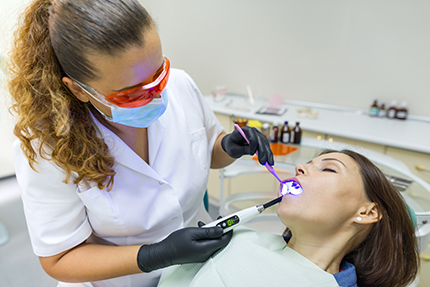
Sedation exists on a spectrum, from mild relaxation to deeper states of reduced awareness. Selecting the right option depends on your comfort level, medical history, and the procedure’s scope. We’ll walk through the choices and recommend the least invasive, safest method that will meet your needs.
For many patients, the goal is to feel relaxed and free of anticipatory anxiety while still being responsive to the dental team’s instructions. That balance — comfort without full unconsciousness — is what most office-based sedation techniques aim to achieve.
When a higher level of sedation is medically necessary, more advanced monitoring and protocols are used to ensure safety. Your dentist will discuss pre-appointment instructions, monitoring measures during the visit, and any post-operative requirements such as having a responsible adult accompany you home.
There’s an important distinction between conscious sedation and general anesthesia. Conscious sedation helps you relax and often causes partial or full amnesia for the procedure, yet you typically respond to verbal cues and breathe on your own. General anesthesia, by contrast, induces a deep, controlled unconsciousness and is administered in a hospital setting when circumstances demand it.
In-office options are designed to be safe, predictable, and easy to manage. Below are the methods most commonly offered in a dental office, each with different strengths and practical considerations.
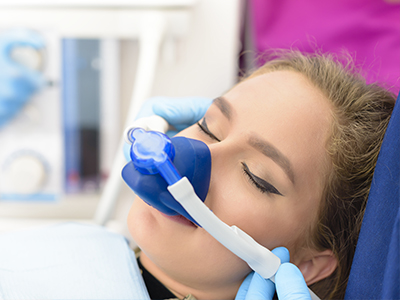
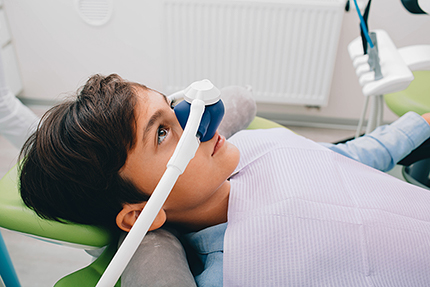
Nitrous oxide, frequently called “laughing gas,” is a mild inhaled sedative delivered through a small mask. It produces gentle relaxation, reduces anxiety quickly, and wears off within minutes after the gas is turned off. Because recovery is rapid, many patients can resume normal activity soon after their appointment, though everyone’s response is unique.
Oral sedation uses a prescribed medication taken before the appointment to induce a deeper sense of calm. Patients often remain awake but very sleepy and may have limited memory of the visit. Because effects can linger, someone will need to drive the patient to and from the office and stay with them afterwards.
IV sedation administers medication directly into a vein for rapid and adjustable effects. It is particularly useful for longer or more invasive procedures where a predictable, deeper level of sedation is needed. IV sedation requires specific preparation, including fasting guidelines and a responsible adult to escort the patient home.
Safety is the cornerstone of any sedation program. Before recommending a sedation approach, clinicians review medical history, current medications, and any underlying conditions that could affect how you respond to sedatives. This screening helps determine the safest, most effective plan for your treatment.
During sedation, we use monitoring equipment and established protocols to track vital signs and ensure stable functioning. Trained staff oversee the entire process, ready to adjust medication levels or provide additional support as needed. Communication is maintained so you feel secure and informed throughout the visit.
After treatment, patients receive clear instructions for recovery and follow-up. The length of monitoring and the need for an escort depend on the sedation level used. We’ll explain what to expect in terms of drowsiness, activity limitations, and any signs that should prompt follow-up care.
Preparation helps reduce risk and improves outcomes. Depending on the sedation method, you may be asked to fast for a set period, temporarily pause certain medications, or arrange transportation home. Clear, honest communication about your health and any medications you take enables the team to plan appropriately.
Bring a list of questions to your consultation — practical concerns like how long you’ll be groggy, whether to resume normal routines the next day, and what medications are safe to continue are all reasonable to discuss. Being informed helps reduce anxiety before the appointment and supports a smoother recovery.
If you have particular needs — mobility concerns, cognitive considerations, or a history of adverse reactions to medications — mention these early so accommodations can be made. The goal is to create a predictable, comfortable experience tailored to you.
At ProSmiles OC, we help patients find a clear path back to regular, stress-free dental care. If dental anxiety has kept you from getting the treatment you need, sedation dentistry may be an appropriate and safe solution. Contact us to learn more about which options could be right for you and to schedule a consultation with our team.
Sedation dentistry offers patients with general anxiety or fears about a dental procedure the opportunity to have a more comfortable and stress-free experience. By utilizing safe and controlled sedation techniques, the patient is eased into a state of complete relaxation before the procedure. This approach eliminates discomfort, pain, and preoperative anxiety, and typically makes patients feel more at ease post-operatively, as they have little or no memory of the actual moment-to-moment procedure.
Local anesthesia involves an injection directly into or close to the area where a procedure is being performed. While it eliminates any sensation of pain in the targeted area, it does not affect your state of mind or level of anxiety. When a patient receives sedation, additional medications to ease anxiety and promote relaxation are employed in advance of local anesthesia. In this way, both the stress and discomfort associated with a procedure are eliminated. Sedation can be administered in a variety of forms based upon patient needs and the recommendations of the dentist or dental anesthesiologist.
Choosing the most appropriate method of sedation for a procedure depends on a variety of factors such as a patient's medical history and their level of anxiety. Dental sedation can come in the form of nitrous oxide sedation, oral conscious sedation, and IV sedation. Certain patients receiving comprehensive treatment or undergoing a complex surgical procedure may require general anesthesia in a hospital setting.
Nitrous oxide, or "laughing gas," is a mild sedative, which is inhaled through a small mask over the nose. A standard in dental sedation for decades, the effects of nitrous oxide are almost immediate and wear off quickly once your procedure is completed.
Oral sedation involves the prescription of an oral medication prior to your appointment. Taken at the recommended time before your visit, oral sedation allows you to feel fully relaxed by the time you're ready for your procedure. With oral sedation, it's necessary to plan on having an escort to and from your dentist's office.
IV Sedation is administered intravenously, or directly into a vein. It is typically indicated when a deeper state of sedation is required. Your dentist will provide you with specific instructions before your visit, and require that you have an escort for the trip home from your appointment.
Sedation dentistry uses medications to help patients relax during dental procedures while maintaining their safety and comfort. It ranges from mild relaxation to deeper states of reduced awareness, depending on the medication and dose used. Sedation is always combined with local anesthesia when appropriate so that emotional calm and pain control work together.
Decisions about sedation are individualized based on medical history, anxiety level, and the planned treatment. The goal is to remove barriers to care so patients can receive necessary dentistry in a controlled, professional setting. At ProSmiles OC the dental team discusses options and monitoring needs before any sedative medication is used.
Sedation reduces the anticipatory fear and physical tension that prevent many people from keeping dental appointments. When anxiety is managed, patients are more likely to tolerate examinations and treatments that they might otherwise avoid, which improves long-term oral health. A calmer patient also allows the clinical team to work more efficiently and with greater precision.
For many people, sedation enables completion of longer or more complex procedures in fewer visits, lowering overall treatment burden. It also minimizes reflexive responses such as gagging or sudden movement that can complicate care. The result is a safer, more predictable experience for patients and clinicians alike.
Nitrous oxide, commonly called laughing gas, is an inhaled sedative that produces mild, quickly reversible relaxation and is useful for routine procedures and mild anxiety. Oral sedation uses a prescribed pill taken before the appointment to create deeper relaxation and partial amnesia for the visit. Intravenous (IV) sedation delivers medication directly into the bloodstream for rapid, adjustable effects and is typically used for longer or more invasive treatments.
Each method has different onset, duration, and recovery characteristics, so clinicians recommend the least invasive option that will reliably meet the patient’s needs. When deeper levels of sedation or general anesthesia are required, additional monitoring and protocols are implemented to maintain safety. Your dentist will explain which methods are appropriate for your procedure and health profile.
Candidacy for sedation is based on a careful review of medical history, current medications, allergies, and previous reactions to sedatives. The dentist evaluates the level of dental fear, the complexity and length of the planned procedure, and any physical factors such as a strong gag reflex or limited ability to sit still. This assessment helps identify the safest and most effective approach for each patient.
A preoperative consultation includes questions about systemic health conditions such as heart or lung disease, sleep apnea, and pregnancy, because these can affect sedation choices. The team also provides clear instructions about fasting, medication adjustments, and transportation so the plan can be followed safely. Informed consent and an opportunity to ask questions are part of every decision about sedation.
Safety protocols begin with thorough screening and continue through monitoring before, during, and after the procedure. Trained staff use monitoring equipment to track heart rate, blood pressure, oxygen saturation and, when indicated, respiratory function so medication levels can be adjusted in real time. Emergency equipment and established response protocols are available in the office should an unexpected event occur.
Staff credentials, ongoing training, and adherence to professional guidelines are central to safe sedation delivery. Recovery procedures include observation until the patient meets recovery criteria and instructions for post-appointment care. If a deeper level of sedation is planned, additional safeguards such as supplemental oxygen and more intensive monitoring are used to maintain stability.
Follow the specific pre-appointment instructions provided at your consultation, which commonly include fasting for a defined period and avoiding alcohol or recreational drugs prior to sedation. Bring a list of current medications, medical conditions, and any allergies so the clinical team can confirm safety and make any necessary adjustments. Arrange for a responsible adult to accompany you to the appointment and drive you home afterward if your sedation plan requires it.
Wear comfortable, loose clothing and avoid heavy makeup or strong fragrances on the day of your visit. Plan for a period of rest after the appointment and postpone activities that require full alertness, such as operating machinery or driving, until you have been cleared by the team. Clear communication about mobility needs or cognitive concerns helps the staff make appropriate accommodations.
Recovery time varies by sedation type: nitrous oxide typically wears off within minutes, oral sedation may cause grogginess for several hours, and IV sedation can result in residual drowsiness for a longer period. The practice will monitor you until you meet safety criteria for discharge and provide written instructions about activity limitations, medication interactions, and signs that warrant follow-up. It is important that a responsible adult accompanies you home when required.
Patients are advised to avoid making important decisions, driving, or operating machinery for the period recommended by the team, and to resume normal routines only as directed. If you experience unexpected symptoms such as prolonged dizziness, difficulty breathing, or persistent nausea, contact the office or seek medical attention. Clear post-procedure guidance helps ensure a smooth recovery.
Certain medical conditions and medications can increase the risks associated with sedation, so patients with uncontrolled systemic disease, some respiratory conditions, or specific drug interactions may require alternative approaches or additional evaluation. Pregnant patients and individuals with certain neurological disorders should discuss risks thoroughly with both their dentist and medical providers before proceeding. A full medical history and, when appropriate, clearance from a physician help guide safe decision making.
People with severe sleep apnea, significant airway abnormalities, or recent adverse reactions to sedatives may need specialized care or a referral for hospital-based anesthesia. In many cases, behavioral techniques, topical or local anesthetics, and milder sedative options can offer a viable path forward. The consultation is designed to determine the safest course tailored to each patient’s health and treatment needs.
Sedation primarily addresses anxiety and the emotional response to treatment rather than providing direct pain relief at the treatment site. Local anesthesia is used in conjunction with sedation to numb the area being treated and prevent pain. The combination of local anesthesia and appropriate sedation typically results in a comfortable, pain-free experience for most patients.
During your consultation the team will explain how local anesthetics and sedation will work together for your procedure and will monitor your comfort throughout the appointment. If you do feel discomfort, the clinician can provide additional local anesthetic or adjust the sedation level as needed. Clear communication before and during treatment helps ensure that pain is well managed.
To discuss sedation dentistry and determine whether it is appropriate for your needs, call ProSmiles OC at (949) 880-6638 to request a consultation. The team can review your medical history, explain the available options, and outline the pre-appointment steps required for safe care. If you prefer, provide your basic medical information when you call so the staff can prepare for a focused discussion during your visit.
ProSmiles OC is located at 24953 Paseo De Valencia, Suite 6C, Laguna Hills, CA 92653, and the office will explain logistics such as arrival times, fasting instructions, and escort requirements at the time of scheduling. A consultation gives you the opportunity to ask specific questions about monitoring, recovery, and how sedation will be integrated with the planned treatment. The goal is to create a safe, comfortable plan tailored to your circumstances.