Existing Patients
(949) 880-6638
New Patients
(949) 216-3427


Gum disease is the leading cause of adult tooth loss, and it quietly affects millions of Americans every year. Research from the Centers for Disease Control and Prevention shows that roughly half of adults over 30 show signs of periodontal disease. That makes prevention and timely treatment essential. At the office of ProSmiles OC, we focus on clear diagnosis, effective care, and long-term maintenance so patients keep healthy gums and dependable function for years to come.
Periodontal disease begins when harmful bacteria in dental plaque build up along the gumline and beneath the gums. That bacterial film triggers inflammation in the periodontium — the soft tissues and bone that support each tooth. Left unchecked, the body’s response to that infection damages the connective tissues and bone that hold teeth in place.
The early stages may be subtle: mild redness, slight bleeding, or a persistent bad taste. Because discomfort is often minimal, many people don’t realize they have a problem until the disease has progressed. That’s why routine dental exams and targeted periodontal assessments are so important — they let clinicians catch changes before significant harm occurs.
Preventing progression starts with identifying individual risk factors. Smoking, uncontrolled diabetes, certain medications, and genetic predisposition all raise the likelihood of developing aggressive or hard-to-control periodontal disease. Part of excellent care is tailoring prevention and treatment plans around those risks so outcomes are as predictable as possible.
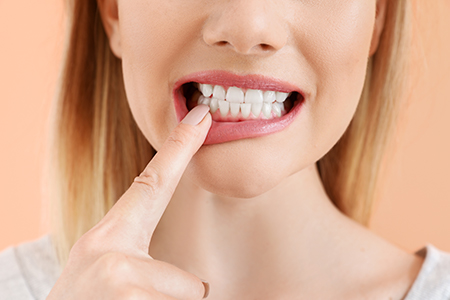
Recognizing gum disease early gives you the best chance to reverse damage or halt its progress. Common early indicators include gums that appear swollen or dark red, bleeding during brushing or flossing, bad breath that won’t go away, and increasing tooth sensitivity. You may also notice pockets forming between teeth or a change in how your bite feels.
Not every symptom signals advanced disease, but any persistent change in your gums warrants a professional checkup. During a periodontal evaluation, measurements of pocket depth, assessment of gum recession, and radiographic imaging help determine the extent of tissue and bone loss so the care team can design an appropriate treatment path.
Home care plays a key role in preventing recurrence. Brushing twice daily with a soft-bristle brush, flossing or using interdental cleaners, and managing dry mouth or other contributing conditions all reduce bacterial buildup. Combined with scheduled professional cleanings and tailored maintenance visits, these steps keep periodontal problems under control.
Research increasingly links periodontal inflammation with broader health concerns. Chronic oral infection can affect systemic inflammation and has been associated with cardiovascular disease, worsened diabetes control, and respiratory issues. While the exact mechanisms are still being studied, reducing oral inflammation is an important part of protecting whole-body health.
Dentists and physicians often work together when systemic health and periodontal disease intersect. For patients with diabetes, for example, improving periodontal status can make blood sugar management easier. Likewise, patients with certain heart or lung conditions may require a coordinated approach to minimize risks related to oral bacteria and systemic infection.
At the practice level, care plans that bridge preventive dentistry and medical considerations provide the best results. That means individualized monitoring, clear communication with your medical providers when appropriate, and a focus on long-term stability rather than short-term fixes.

Gingivitis is the reversible, early form of gum disease. It causes inflammation confined to the soft tissues and does not involve bone loss. With improved home care, professional cleanings, and short-term monitoring, gingivitis can be resolved and normal tissue health restored. Successful treatment at this stage prevents deeper damage.
When inflammation persists, it can progress to periodontitis. In this stage, bacterial toxins and the body’s inflammatory response begin to break down the connective tissues and bone supporting the teeth. Patients may experience deeper periodontal pockets, gum recession, and eventual loosening of teeth if the condition is not controlled.
Staging periodontitis helps guide treatment choices. A skilled clinician evaluates pocket depths, attachment levels, bone loss on X-rays, and overall oral health to classify the disease and recommend conservative or more advanced therapies. The goal is always to stop disease activity and rebuild a stable environment for long-term health.
Treatment is tailored to disease severity and personal risk factors, and it often begins with non-surgical measures. Thorough scaling and root planing removes plaque and hardened deposits below the gumline, smoothing root surfaces so tissues can reattach and inflammation subsides. Adjunctive options — such as local antimicrobials or prescribed medications — may be used to improve outcomes when indicated.
When deep pockets or structural damage remain after non-surgical therapy, surgical approaches can provide access for thorough debridement and allow for tissue and bone repair. Modern periodontal surgery includes procedures to reduce pocket depth, recontour bone, and, when appropriate, place grafts to restore lost tissue. Minimally invasive techniques and the selective use of laser therapy can also play a role in care plans.
Successful therapy combines high-quality clinical treatment with ongoing maintenance. After active therapy, regular periodontal maintenance visits are scheduled to monitor pocket depths, remove new deposits, and reinforce home care habits. Long-term stability depends on that partnership between clinician and patient.
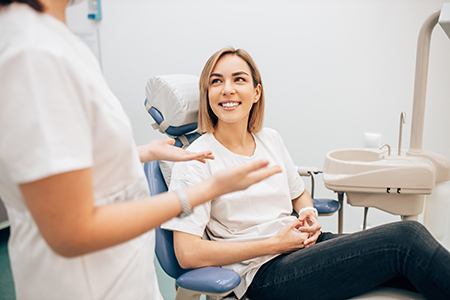
When gum disease is caught early, conservative measures often restore health without surgery. Scaling and root planing removes subgingival plaque and tartar, while patient-focused coaching improves daily hygiene. In some cases, localized antibiotic delivery or a short course of systemic medication supports the healing process.
The emphasis in this category is reducing inflammation and creating conditions in which the gum tissues can reattach to the tooth roots. With careful monitoring and follow-up cleanings, many patients achieve long-term stability using these less invasive methods.
If pockets fail to respond or other risk factors make conservative care insufficient, the care team will discuss next-step options that aim to halt progression and restore tissue as much as possible.
Surgery is recommended when deep pockets, persistent inflammation, or significant bone loss prevent successful non-surgical management. Surgical access allows clinicians to thoroughly remove bacteria and tartar from root surfaces and to reshape or repair damaged supporting structures.
Modern periodontal surgery can include flap procedures, guided tissue regeneration, and bone grafting to rebuild lost support when possible. When indicated, laser-assisted techniques may supplement traditional approaches to reduce pocket depth or treat soft-tissue concerns.
After surgery, regimented follow-up and improved oral hygiene are critical to preserve the results and reduce the chance of recurrence.
The primary objectives of periodontal surgery are:
Clean infected surfaces beneath the gums and remove bacterial deposits on roots
Stabilize and, where possible, rebuild lost bone and soft tissue to support the teeth
Reduce pocket depths to make daily cleaning effective and maintenance simpler
Effective periodontal care is a collaborative process. Our team focuses on clear explanations, individualized treatment plans, and scheduled maintenance so patients understand both the how and why of each step. That collaboration increases the likelihood of a durable, healthy outcome.
Advances in diagnosis and treatment give clinicians more tools than ever to manage periodontal disease conservatively and, when necessary, to rebuild damaged tissues. With attentive care and consistent home hygiene, many patients keep their natural teeth functioning for a lifetime.
If you’d like to learn more about periodontal health and treatment options, please contact us for additional information and to discuss the best next steps for your smile.
Most people don’t realize that periodontal disease is the leading cause of tooth loss among adults. According to statistics from the Centers for Disease Control and Prevention, one out of every two adults over the age of 30 in the United States has periodontal disease.
You may be surprised to learn that the human mouth is home to a wide variety of microbes. The fact is that over 700 different strains of bacteria have been detected in the oral cavity. Although some of these bacteria are beneficial, others are harmful to oral health. Without proper oral hygiene and routine dental care, these harmful bacteria can cause tooth decay and gum disease, compromising both your oral health and overall wellbeing.
In addition to inadequate oral hygiene and infrequent professional care, other factors, including smoking, genetic tendencies, and unchecked diabetes, can contribute to the escalation of periodontal disease.
Your gums and teeth have an interdependent relationship, which means healthy teeth depend on the support of healthy gums. Also, taking care of your smile does more than keep your teeth and gums in optimal condition; good oral health also supports systemic health. In addition to being the leading cause of tooth loss in adults, researchers are finding more and more links between periodontal disease and a number of medical problems, including heart disease, stroke, diabetes, respiratory problems, and adverse pregnancy outcomes such as pre-term and low birth-weight babies.
If you notice that your gums are bleeding with the slightest pressure while brushing or flossing, it’s a sign of gingivitis. Although gingivitis is the earliest stage of gum disease, it can easily be reversed with deeper cleanings as well as an improved regimen of oral hygiene at home.
In the absence of professional treatment and better home care, gingivitis progresses to the next stage, which is known as periodontitis. In this stage, the connective tissue and bone that hold the teeth in place begin to break down with an increase in pocketing between the teeth and bone, gum recession, and bone loss. Without proper treatment by your dentist, periodontitis will progress from a mild to moderate loss of supporting tissue to the destruction of the bone around the teeth.
Although gingivitis can often be reversed with improved oral hygiene and professional cleanings, as periodontal disease advances, more extensive procedures are required to halt its progression. Based on a complete assessment of your periodontal health and a review of possible contributing factors, our office will recommend the best options in care. Treatment for periodontitis may include a series of deeper cleanings known as root planing and scaling, surgical procedures to reduce pocket depth, bone or tissue grafts, laser procedures, or antimicrobial medications.
The cost of care depends on the type of procedures required to restore your periodontal health. If you have dental insurance, plans often cover treatment to prevent gum disease as well as many procedures to treat the various stages of gum disease. Our goal is to help patients restore and maintain good oral health. We do all we can to help you begin care without additional stress or delay. Our business office works with you to maximize your benefits and provide easier, more convenient payment options.
By seeing our office regularly for care and doing your best to eat a healthy diet and practice good oral hygiene, you can keep your smile in tip-top shape as well as protect your overall wellbeing.
At the office of ProSmiles OC, we provide a comprehensive range of services to address all your oral healthcare needs. You can rest assured that your smile is in the best of hands at our office. Our skilled and experienced team maintains a position at the forefront of advances in care and remains dedicated to providing the highest quality of skilled and compassionate treatment.
Periodontal disease begins when bacteria in dental plaque accumulate along the gumline and beneath the gums, triggering inflammation in the tissues that support the teeth. That inflammatory response, if persistent, leads to destruction of the connective fibers and bone that anchor each tooth. Host factors such as immune response and oral environment determine how quickly the disease progresses.
Initial bacterial colonization is often painless, so many people are unaware an infection is developing. Over time, the pocket between tooth and gum can deepen as attachment is lost, creating an environment where bacteria thrive. Early detection and removal of the bacterial biofilm are essential to stop tissue breakdown and preserve tooth support.
Early signs of gum disease commonly include gums that are red, swollen, or that bleed during brushing and flossing, and persistent bad breath that does not resolve with routine hygiene. Some patients notice increasing tooth sensitivity, a bad taste in the mouth, or the appearance of gaps between teeth as gums recede. Because pain is not always present, these subtle changes should prompt a professional evaluation.
As disease advances, symptoms may include deeper periodontal pockets, loose teeth, and changes in how your bite feels. Radiographs and periodontal probing during a clinical exam help confirm whether early symptoms indicate reversible gingivitis or progressing periodontitis. Prompt attention to symptoms improves the likelihood of conservative, effective treatment.
Several systemic and local factors increase the risk of periodontal disease, including tobacco use, uncontrolled diabetes, certain medications that reduce saliva flow, and genetic predisposition. Lifestyle elements such as poor oral hygiene, high-sugar diets, and stress can also worsen plaque accumulation and the body’s inflammatory response. Age and a history of periodontal problems further raise the likelihood of recurrence or progression.
Medical conditions that impair healing or immune function make controlling periodontal inflammation more challenging and may require closer monitoring. Identifying and managing these risk factors allows clinicians to tailor prevention and treatment plans and improve long-term stability. Communication between dental and medical providers is often an important part of coordinated care for high-risk patients.
Diagnosis begins with a comprehensive periodontal evaluation that includes measuring pocket depths around each tooth, assessing gum recession, checking tooth mobility, and reviewing medical and dental history. Radiographs are used to quantify bone levels and detect patterns of bone loss that are not visible clinically. Together, these data points allow clinicians to stage and grade the disease and to plan appropriate therapy.
A full-mouth periodontal charting documents baseline measurements and guides treatment decisions, while evaluation of risk factors helps predict disease behavior. Periodontal assessments are repeated after initial therapy to determine response and to decide whether further intervention is needed. Clear documentation and regular reassessment are essential for long-term management.
Non-surgical therapy typically begins with thorough scaling and root planing, a deep cleaning that removes plaque and calculus from root surfaces below the gumline and smooths the roots to promote tissue reattachment. This procedure is often performed with local anesthesia for patient comfort and may be accompanied by localized antimicrobial delivery when clinically indicated. Patient education and reinforcement of oral hygiene techniques are integral parts of the process.
After non-surgical treatment, the clinician reassesses pocket depths and inflammation to determine healing and the need for additional care. Many patients achieve disease control with a combination of professional therapy and improved home care, but persistent deep pockets or attachment loss may require surgical intervention. Regular maintenance visits help preserve the results of conservative therapy.
Scaling and root planing is usually performed over one or more appointments, with local anesthesia used to minimize discomfort during subgingival cleaning. Patients may experience mild soreness or sensitivity for a few days after the procedure, and clinicians often recommend gentle brushing, warm saltwater rinses, and over-the-counter pain relievers as needed. Proper home care and short-term follow-up ensure healing proceeds as expected.
Improvement in gum inflammation and pocket depths is commonly seen within weeks, but full periodontal stability may require several months and additional maintenance visits. The dental team will schedule reassessment appointments to measure response and to determine whether further treatment is necessary. Adherence to prescribed hygiene practices is critical to sustaining the benefits of therapy.
Surgical intervention is recommended when non-surgical therapy cannot sufficiently reduce deep pockets, or when there is significant bone loss or anatomical defects that impede effective cleaning. Common surgical procedures include flap surgery to access root surfaces, bone grafting to restore lost support, and guided tissue regeneration to encourage reattachment of soft tissue. These procedures aim to reduce pocket depth, remove inaccessible bacterial deposits, and rebuild supporting structures when possible.
Modern periodontal surgery often uses minimally invasive techniques and may include adjunctive laser therapy to enhance outcomes and reduce postoperative discomfort. Recovery varies by procedure but typically involves a brief healing period with follow-up visits to monitor tissue stability and oral hygiene. Long-term success depends on careful maintenance and patient adherence to home care recommendations.
Chronic periodontal inflammation has been associated with systemic conditions such as cardiovascular disease, poorer glycemic control in diabetes, and respiratory complications, likely due to the influence of oral bacteria and inflammatory mediators on the body. While research continues to clarify causal pathways, reducing oral inflammation is an important component of holistic health management. Dentists and physicians frequently collaborate when systemic disease and periodontal status intersect to optimize overall outcomes.
For patients with diabetes or cardiovascular risk factors, coordinated care may include communicating findings with the medical team and adjusting follow-up frequency to ensure periodontal stability. Treating periodontal infection can improve markers of systemic inflammation and, in some cases, assist medical management. Emphasizing prevention and early intervention helps protect both oral and general health.
Periodontal maintenance consists of regular professional cleanings, periodontal probing, and targeted monitoring to remove new deposits and assess pocket depths after active therapy. The frequency of maintenance visits is individualized based on disease severity, response to treatment, and risk factors, but many patients are seen every three months initially to reduce recurrence. These visits also provide reinforcement of home care techniques and early detection of any disease activity.
Over time, the interval between maintenance appointments may be adjusted for stable patients, but lifelong monitoring is typically necessary to preserve results. Consistent professional care combined with effective daily hygiene is the most reliable way to maintain periodontal health and protect natural teeth. The dental team will develop a maintenance schedule tailored to your needs and life circumstances.
The office of ProSmiles OC emphasizes individualized diagnosis, evidence-based treatment, and clear patient education to support long-term periodontal stability. We use modern diagnostic tools and a range of conservative and surgical therapies to address disease at the appropriate stage, and we prioritize minimally invasive options when clinically appropriate. Collaboration with medical providers and personalized risk management are core parts of the care plan.
Our team focuses on building a practical maintenance program and coaching patients in effective home care habits to reduce recurrence. When advanced therapies are required, we explain the rationale, expected outcomes, and follow-up needs so patients can make informed decisions. This comprehensive approach helps protect natural teeth and supports overall health in Laguna Hills and the surrounding communities.