Existing Patients
(949) 880-6638
New Patients
(949) 216-3427


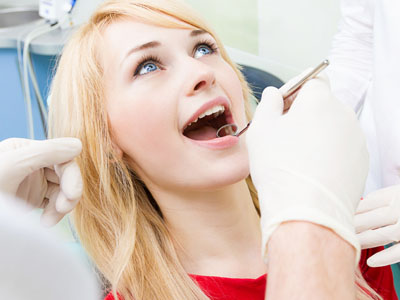
At the office of ProSmiles OC, we take a forward-thinking approach to oral health: routine oral exams are the foundation for preventing problems and protecting long-term well-being. Regular checkups give our team a chance to spot early signs of disease, reinforce healthy habits, and tailor care to every member of your family. Beyond routine teeth checks, our preventive services include professional cleanings, periodontal assessments, and oral cancer screenings, combined with practical guidance on daily hygiene and nutrition.
Your initial visit is more than a quick look—it’s the start of a personalized plan. We begin by reviewing medical and dental histories to understand medications, past treatments, and any symptoms or concerns you bring. This context helps us identify risk factors and tailor the exam to your specific needs.
The clinical portion of the exam covers an oral cancer screening, an evaluation of gum health, and an assessment of your bite and jaw function. We look for signs of wear, grinding, or joint stiffness and test how your temporomandibular joints (TMJ) are functioning. If indicated, we will recommend diagnostic imaging to reveal issues that aren’t visible on the surface.
At the end of the visit we summarize our findings, outline recommended next steps, and explain options in clear terms. Education is a big part of that conversation: we make sure you understand any issues we find and how simple changes at home or in habits can make a measurable difference in your oral health.
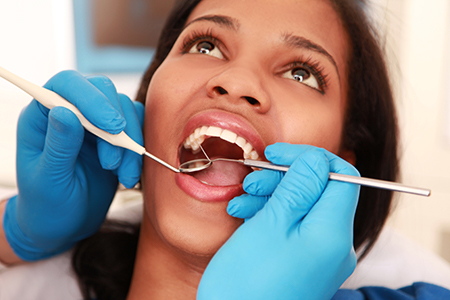
An oral exam is an opportunity to inspect more than just teeth. We examine the gums, tongue, cheeks, palate, and the soft tissues of the mouth for inflammation, lesions, or changes in color or texture that could indicate local or systemic issues. The neck and jaw are also checked for swollen lymph nodes or asymmetry that may warrant further evaluation.
We pay special attention to signs of gum disease—redness, bleeding, and pocket formation—because periodontal health affects the longevity of teeth and can influence overall health. During the exam we also evaluate existing dental work, looking for cracks, recurrent decay around fillings or crowns, and the integrity of restorations.
Other practical elements of the check include assessing saliva flow (dry mouth can increase disease risk), screening for clenching or bruxism, and reviewing any oral appliances you use. When needed, intraoral cameras or extra diagnostic tools help us document findings and show you what we see so you can participate in treatment decisions.
The mouth and body are closely connected, and a thorough oral exam can reveal clues about broader health. Researchers have identified associations between oral conditions and systemic problems such as cardiovascular disease, diabetes, and respiratory illness. Because of these links, changes in the mouth can sometimes prompt conversations about overall health and coordination with your medical providers.
Equally important is recognizing that systemic diseases can express symptoms in the mouth. Persistent dry mouth, unusual ulcers, or sudden changes in gum health may be related to medications, autoimmune conditions, or nutritional deficiencies. By documenting these signs, we help ensure that your oral care is integrated with your general health plan.
While an oral exam is not a substitute for medical diagnosis, it is an important screening tool. Our goal is to detect red flags early, refer appropriately when needed, and support preventive measures that reduce risk—both for your smile and your long-term well-being.
Routine checkups and professional cleanings are essential because daily brushing and flossing, while critical, can miss hardened plaque and tight spaces between teeth. Professional hygiene visits remove tartar buildup and polish surface stains, which helps lower the bacterial load in the mouth and reduces the risk of cavities and gum disease.
For many patients, we recommend periodic visits so we can monitor trends in oral health: changes in gum measurements, new decay, shifting bite patterns, or wear from grinding. These visits are also an ideal time for hands-on instruction—our hygienists demonstrate effective brushing and interdental techniques and suggest practical products suited to your needs.
Children benefit greatly from early, regular visits because preventive care and age-appropriate guidance set the stage for lifelong healthy habits. We also monitor developing teeth and jaw growth to determine whether orthodontic evaluation may be helpful as your child grows.
Our aim is to make preventive care straightforward and achievable. Small adjustments at home, combined with regular professional cleanings, often prevent the need for more invasive treatment later on and help your smile stay healthy and functional for years to come.
Visual inspection is powerful, but imaging reveals what’s hidden below the gum line and inside the tooth structure. Dental x-rays and digital radiographs allow us to detect decay between teeth, evaluate root and bone health, and identify infections or developmental issues that aren’t visible to the naked eye. When necessary, three-dimensional scans provide even more detail for complex planning.
Modern digital radiography has transformed diagnosis: images are captured quickly with minimal radiation and displayed instantly for review. This efficiency improves patient comfort and helps us explain findings clearly. Digital images are also easy to store and share with specialists when collaborative care is needed.
In specific situations—such as implant planning, assessing complicated anatomy, or preparing for surgical procedures—cone-beam computed tomography (CBCT) provides a three-dimensional view of the jaws and surrounding structures. These advanced images support precise treatment planning and predictable outcomes.
The type of imaging we select depends on the questions we need to answer. Small-area films can focus on a single tooth, while broader images capture overall dental development or jaw relationships. Below are the most commonly used types of radiographs and what they help us evaluate:
Periapical x-ray - Shows a full view of one tooth from crown to root tip and the surrounding bone, useful for root and bone assessments.
Bitewing x-ray - Focuses on the crowns of posterior teeth to detect decay between teeth and monitor existing restorations.
Full mouth series - A comprehensive collection of periapical and bitewing images used to evaluate all teeth and supporting structures.
Panoramic film (panorex) - Provides a broad, two-dimensional overview of teeth, jaws, and developing or impacted teeth across both sides of the mouth.
Cephalometric film - A profile view often used in orthodontic planning to evaluate jaw relationships and facial growth patterns.
By combining clinical observation with targeted imaging, we create a complete picture that guides effective, minimally invasive care. Advanced imaging is used only when the benefit to diagnosis and treatment planning clearly outweighs the small exposure to radiation.
Regular oral exams are one of the simplest and most effective ways to protect your smile and support overall health. The team at ProSmiles OC is committed to thorough, thoughtful examinations performed with respect and clear communication. If you’d like to learn more about what an oral exam entails or want to schedule an appointment, please contact us for more information.
Yes. We always welcome new patients and their families for care. Feel free to give us a call or reach out to us online to schedule a first visit or for any additional information on our office. We look forward to hearing from you!
Routine dental checkups and professional cleanings help ensure your smile remains in tip-top condition and that any developing problems receive the prompt care they require. While it's a good idea to schedule a checkup and cleaning twice a year, longer or shorter intervals between routine visits depend on your specific needs.
We understand that life gets complicated and busy, and for various reasons, you haven't been able to get to the dentist for care. Don't worry; it's always a good time to get back in touch with the health of your smile.
At ProSmiles OC, we offer skilled and compassionate care to address a wide range of dental needs. Whether you need a simple checkup and cleaning, restorations, periodontal treatment, root canal therapy, or the replacement of missing teeth to get your smile back into shape, we provide precise, gentle, stress-free treatment to give you a smile that is as beautiful as it is healthy.
Give us a call today; we're happy to address all your questions and concerns about getting your smile back in tip-top condition.
For pregnant women, practicing good oral care and seeing the dentist to maintain a healthy smile is considered an important component of prenatal care. Researchers have found that pregnancy not only increases the risk of oral health problems, but these problems may also lead to pregnancy complications. At the office of ProSmiles OC, we provide the skilled and compassionate care required to help expectant mothers keep their teeth and gums in tip-top condition. While certain procedures are not recommended during pregnancy, we provide the necessary care and take all the necessary precautions required.
Thanks to advances in modern dentistry, teeth that have been affected by a range of imperfections or that have sustained damage from trauma or dental decay can be restored to produce a naturally beautiful looking and functional smile.
As skilled and experienced providers of care, our office can effectively improve and enhance the appearance of teeth that are stained, discolored, misshapen, chipped, fractured, gapped, crowded, or broken down due to dental decay. At the office of ProSmiles OC, we offer a comprehensive selection of the leading-edge cosmetic solutions from teeth whitening procedures, dental bonding, tooth-colored fillings, and veneers, to prosthetic solutions and dental implants to rebuild complete and beautiful smiles.
Contact our office to learn more about the many ways we can help you create the smile you've always wanted.
If you're visiting ProSmiles OC for the first time, it is helpful that you contact your former dental office and have your records sent over to us. Make note of any problems you may have so that you can discuss them with your dentist.
To provide efficient service, we ask you to please bring your insurance card, an ID, plus any referral slips or diagnostic records given to you by another office. If you are taking medications, please note or make a list of what they are as you will need to provide that information.
Yes! We assure you that both you and your family will be in good hands at the office of ProSmiles OC.
We do our best to make sure every patient who steps into our office for care is put at ease. We provide precise and gentle care and our skilled, compassionate team strives to make every visit stress-free. You can rest assured that your smile is in the best of hands and that we are doing all we can to ensure your comfort throughout every procedure. While we always take the time to explain every step in care, feel free to ask us any questions about local anesthesia and methods of dental sedation.
At the office of ProSmiles OC, we strive to provide the highest quality of care to address all your dental needs. Once we've had the opportunity to examine your smile, we can give you a clear picture of any dental issues that are present, along with a quote for what the cost of treatment will be. The cost of care all depends upon the extent and complexity of issues affecting the health or appearance of your smile and the types of procedures that are required. Our goal is to make dental care more affordable so that you can begin treatment without any additional stress or delay.
Keep in mind that with routine dental checkups and periodic care, we can help prevent dental disease while treating emerging problems early in their onset to avoid larger issues and more expensive care down the road.
Routine dental checkups and preventive care procedures may be covered under your dental insurance plan requiring little to no out-of-pocket expense. We invite you to check our financial information page or give us a call to find out if our office participates with your plan, and if you have any other questions about dental insurance, dental savings plans, forms of payment, or financing options. We welcome your inquiries and do our best to help you begin care without additional stress or delay.
If you've lost a tooth due to injury, decay, gum disease, or any other reason, we recommend dental implants to replace missing teeth. Dental implants come the closest to replicating the look, feel, and function of your natural teeth.
Absolutely! Both flossing and brushing regularly are equally important to maintain your oral health. While brushing cleans the surface of your teeth, flossing cleans in between them. Flossing is important to prevent plaque buildup, which can cause gums to recede and lead to periodontal disease.
Even if you have dentures, it is still necessary to see a dentist! Dental checkups help ensure that your dentures are comfortable, fitting properly, and that there are no other problems. Beyond assessing your dentures, our dentist will also perform a thorough examination of the jawbone, and surrounding soft tissues both inside the mouth, the face, and neck, to confirm that you remain in good oral health.
Emergency dental care is a service we hope you'll never need- but if you do, the office of ProSmiles OC is here for you!
Whether you're suffering from a chipped tooth, toothache, or any problem affecting your oral health, you can be sure to get the prompt attention and compassionate care you require at our office. Patient care and comfort are our top priorities, and we offer a comprehensive range of the most advanced services to address a broad spectrum of dental needs.
While the pain of a toothache is one of the more common reasons that patients come to our office for emergency dental care, we also promptly treat emergencies that are not necessarily painful like crowns that have been dislodged and broken dentures that leave embarrassing gaps in one's smile.
You can rest assured that your oral health is in the best of hands at our office. We'll quickly determine exactly what's wrong, explain your treatment options, and then provide the precise and gentle care you require to alleviate your discomfort and get you back on the path to oral health and wellness.
Your health and comfort are our top priorities. If your dental emergency is painful, if it affects the appearance of your smile, or if you suspect that an infection is present, our office will make every effort to see you as soon as possible for care.
At the office of ProSmiles OC, we welcome patients of all ages for care and offer a comprehensive range of services designed to help every member of your family maintain a beautiful and healthy smile. Whether you or a loved one needs a routine checkup and cleaning, fillings, same-day crowns, a cosmetic smile makeover, the replacement of missing teeth or require the services of a skilled and compassionate emergency dentist, you can rely on our office for the highest quality care.
For more information on our office and the many services we provide, or to schedule an appointment for care, give us a call today.
An oral exam is a systematic clinical evaluation of the mouth, gums, teeth and related structures performed to detect disease, assess function and establish a baseline for care. It focuses on early identification of cavities, gum disease, tissue changes and problems with bite or jaw movement that might be missed by routine brushing and flossing. Because many oral conditions progress quietly, regular exams let clinicians intervene early and often avoid more invasive treatment.
Beyond problem detection, an oral exam provides personalized guidance on daily hygiene, nutrition and risk reduction strategies that support long-term oral health. The exam also creates a record clinicians use to track changes over time and to compare findings from imaging or specialist consultations. In short, oral exams are a preventive tool that preserve teeth, restore function and protect overall well-being.
Your first comprehensive exam begins with a review of your medical and dental history and a discussion of any symptoms, medications or lifestyle factors that affect oral health. The clinical portion typically includes an oral cancer screening, a periodontal assessment that checks for bleeding and pocket depth, an evaluation of restorations and a functional exam of your bite and temporomandibular joints. When indicated, the dentist will recommend targeted imaging to reveal issues below the gum line.
At the conclusion of the visit the dentist summarizes findings and outlines a personalized care plan with clear next steps and timelines. This is also a time for education: clinicians explain any concerns, demonstrate home care techniques and answer questions so you can make informed decisions. The team at ProSmiles OC emphasizes clear communication and collaborative planning to ensure each patient understands their priorities and options.
For many adults, a routine oral exam every six months is a common starting point because it allows clinicians to monitor plaque, cavities and early gum disease before they advance. Frequency is not one-size-fits-all; your dentist will adjust the interval based on your risk factors such as history of periodontal disease, active decay, systemic conditions or medications that affect saliva flow. Higher-risk patients may need more frequent evaluations while low-risk individuals may be seen at longer intervals when appropriate.
Regular exams are valuable for tracking trends like changes in pocket depth, new decay or shifting bite patterns so treatment can be conservative and timely. Keeping a consistent schedule also helps reinforce preventive habits and gives the dental team opportunities to provide hands-on instruction. Discussing your personal risk profile with your dental provider ensures the exam schedule matches your needs.
An oral cancer screening is a visual and tactile inspection of the soft tissues of the mouth, including the lips, tongue, floor and roof of the mouth, cheeks and throat area to identify suspicious lesions, color changes or persistent ulcers. The clinician looks for asymmetry, induration, unexplained bleeding or areas that do not heal, and palpates the neck to check for enlarged lymph nodes that might indicate a deeper problem. When anything unusual is found, the dentist documents the findings and may schedule follow-up observation, adjunctive testing or referral for biopsy.
Early detection significantly improves treatment outcomes, so routine screening is a standard part of comprehensive exams for adults and those with risk factors such as tobacco or alcohol use. Adjunctive tools or imaging may be used to supplement the clinical exam in ambiguous cases, but visual and manual inspection remain the primary, effective screening method. If a suspicious area is identified, the dental team coordinates timely referral and communication with specialists or medical providers to ensure prompt evaluation.
Radiographs and three-dimensional scans reveal structures that cannot be seen with a visual exam alone, such as decay between teeth, root infections, bone loss and the position of developing or impacted teeth. Digital x-rays provide crisp images quickly and with minimal radiation exposure, which helps clinicians make accurate diagnoses and explain findings to patients. In more complex cases — for example implant planning or evaluating unusual anatomy — cone-beam computed tomography (CBCT) supplies a volumetric view that supports precise surgical and restorative decisions.
Imaging is selected based on clinical need and is used to complement, not replace, the hands-on exam. Combining clinical observation with targeted imaging produces a comprehensive picture that guides conservative and effective care. Digital images are also convenient to store and share with specialists when collaborative treatment is necessary.
The oral cavity often reflects broader systemic conditions, and changes in the mouth can be early indicators of diseases such as diabetes, certain autoimmune disorders and nutritional deficiencies. Researchers have also observed associations between periodontal disease and systemic issues like cardiovascular disease and respiratory infections, which makes thorough oral evaluation an important part of whole-person care. During an exam the clinician documents signs that may warrant medical follow-up and may discuss coordination with your primary care provider when appropriate.
Because systemic medications and health conditions can manifest in oral symptoms — for example dry mouth, unusual ulcers or rapid periodontal changes — the dental exam provides valuable context for your overall health plan. Regular documentation and open communication between dental and medical teams help ensure conditions are managed in a coordinated way. Oral exams are therefore a meaningful screening tool that supports general health as well as dental well-being.
Preparation is straightforward: bring an up-to-date list of medications, a summary of your medical history and any questions or concerns you want to address during the visit. If you wear oral appliances, bring them along so the clinician can assess fit and function, and let the team know about recent symptoms such as pain, sensitivity, dry mouth or difficulty chewing. Good communication about allergies, prior surgeries and current treatments helps the dentist tailor the exam and any recommended care.
On the day of the appointment maintain your regular oral hygiene routine so the clinician can assess your typical condition, and avoid heavy mouthwashes or topical agents immediately beforehand if you want the most accurate soft-tissue evaluation. Arrive a few minutes early with any required forms or records if requested, and bring a list of questions so the visit can be efficient and informative. Being prepared helps the dental team provide a clear, personalized care plan during your exam.
Yes. During an oral exam the clinician measures gum pocket depths, checks for bleeding on probing and evaluates tissue texture and attachment levels to detect gingivitis and periodontal disease. They also inspect restorations and tooth surfaces for signs of wear, chipping or fractures that can indicate bruxism or clenching habits. Palpation of the jaw muscles and assessment of joint movement help identify TMJ dysfunction and related muscle pain.
When signs of gum disease or bruxism are present the clinician explains the findings and recommends an appropriate course of action, which may include improved hygiene techniques, periodontal care, occlusal guards or referral to a specialist. Monitoring these conditions over time is essential because early management often prevents progression and more extensive treatment. Regular exams and targeted interventions help preserve tooth structure, reduce sensitivity and protect overall oral health.
Exams for children place special emphasis on development, eruption patterns and preventive measures tailored to age, such as fluoride guidance and sealants to protect newly erupted molars. The clinician also evaluates habits that affect growth — thumb-sucking, prolonged pacifier use or tongue thrusting — and monitors jaw development to determine whether early orthodontic assessment might be beneficial. Education for parents about home care, diet and injury prevention is an integral part of pediatric exams.
Children are scheduled on a timeline that reflects growth milestones and risk factors rather than a single standard interval, and the approach is adapted to promote comfort and cooperation. The dental team at ProSmiles OC uses gentle techniques and age-appropriate instruction to establish positive care habits that last a lifetime. Early, regular exams help detect developmental issues sooner and set the stage for healthy oral habits as children grow.
Dental anxiety is common, and a constructive first step is to share your concerns with the dental team so they can tailor the visit, explain each step and provide calming strategies. Many practices offer short acclimation visits, relaxation techniques, or nitrous oxide and oral sedation options for patients who need additional support, and the clinician will discuss suitability and safety based on your medical history. Clear communication about what will happen and why reduces uncertainty and makes exams more manageable for anxious patients.
Simple coping methods such as focused breathing, bringing headphones or a companion, and breaking care into shorter appointments can also be effective. The dental team will work with you to create a comfort plan that balances your emotional needs with clinical requirements. With a gradual, respectful approach most patients find they can complete necessary exams and maintain consistent preventive care.