Invisalign® for Teens
Existing Patients
(949) 880-6638
New Patients
(949) 216-3427


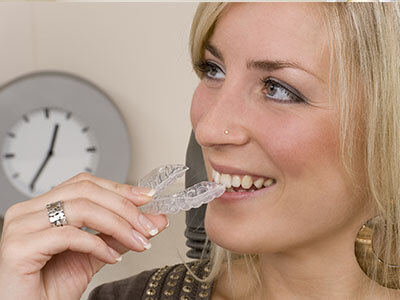
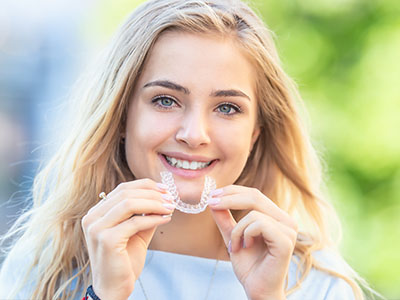
Invisalign® offers a refined, minimally visible way to straighten teeth using a sequence of custom-made clear aligners. For many adults and teens, it provides the benefits of modern orthodontics with fewer aesthetic compromises than traditional metal braces. Below you will find an expanded, practical guide to how this system works, who can benefit, and what to expect during treatment.
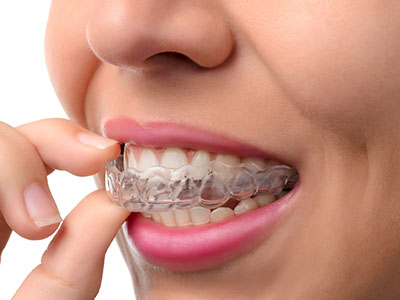
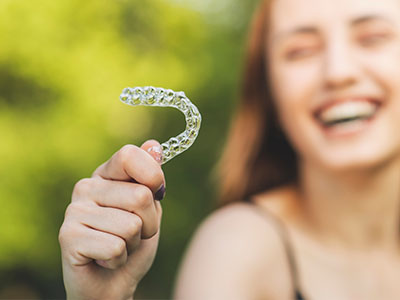
Clear aligners are designed to move teeth in small, controlled steps using a series of nearly invisible trays. Each aligner is fabricated to fit your teeth at a specific stage of movement, so the overall plan maps a progression from your current alignment to the intended outcome. The discreet nature of the trays makes clear aligners especially appealing to people who want orthodontic improvement without noticeable hardware.
Because aligners are removable, they simplify daily oral hygiene and make it possible to eat a normal diet throughout treatment. That removability also means patients need to be committed to the wear schedule—typically 20–22 hours per day—to achieve predictable results. Proper wear combined with regular clinical monitoring is the foundation of a successful aligner treatment plan.
Technological advances have expanded the range of cases that can be treated with clear aligners, from mild crowding and spacing to many cases involving bite corrections. The versatility of aligners, matched with modern treatment planning tools, lets clinicians customize movement strategies for each tooth and produce outcomes that are both functional and aesthetically pleasing.
Invisalign® for Teens

Invisalign® for Brides

Invisalign® for Travelers

Before & After Photos

Invisalign® Videos
FAQs

Invisalign® vs Braces
Invisalign® vs Direct-To-Consumer Aligners
Is Invisalign Right For Me?

Invisalign Costs
Treatment with Invisalign® begins with a precise digital record of your mouth. A fast intraoral scan or an accurate set of impressions captures tooth positions and bite relationships, and those data are used to create a three-dimensional model. This model allows the clinician to plan a complete sequence of tooth movements before any aligners are made.
The digital plan—often called a ClinCheck or treatment simulation—illustrates the predicted progression from the starting alignment to the intended result. Clinicians review and refine that plan, setting goals for movement and sequencing so each aligner contributes to a controlled, efficient progression. The ability to preview the treatment path reduces uncertainty and helps patients visualize expected changes.
Once the plan is finalized, each aligner in the series is fabricated to implement a specific step in the sequence. High-quality manufacturing and consistent clinical oversight help ensure that the physical aligners mirror the digital plan closely, which is critical for achieving predictable tooth movement and minimizing unplanned deviations.
After receiving your first set of aligners, you’ll typically wear each tray for a prescribed interval—commonly one to two weeks—before advancing to the next. Regular check-ins with the treating clinician are scheduled to monitor progress, confirm fit, and make any necessary mid-course adjustments. These visits allow the provider to verify that the tooth movements follow the planned trajectory.
Patients may notice mild pressure or sensitivity when starting a new aligner; this is a normal response indicating that teeth are shifting. Most people adapt quickly, often within a day or two. Clear aligners are smooth and lack the brackets and wires found in traditional braces, which can reduce soft tissue irritation and simplify daily care routines like brushing and flossing.
In some cases, the clinician may use small composite attachments bonded to certain teeth to help the aligners achieve specific movements. These attachments function as temporary anchors and are removed when treatment ends. At the conclusion of active alignment, a retention strategy—commonly a retainer—will be recommended to help preserve the new tooth positions over time.
Clear aligner therapy can address a wide range of alignment issues, including mild to moderate crowding, gaps between teeth, and certain kinds of bite discrepancies such as mild overbite, underbite, or crossbite. Treatment suitability depends on the complexity of the case and the specific movements required; a clinical evaluation determines whether aligners are the right tool.
Adult patients often choose aligners for aesthetic reasons, but adults may also present with complex restorative needs that benefit from coordinated orthodontic planning. Teenagers who demonstrate responsibility with wear schedules can also be excellent candidates. Regardless of age, successful treatment relies on patient cooperation, careful planning, and periodic clinical supervision.
When aligners are not the ideal option, clinicians may recommend alternative orthodontic approaches or a combined plan that integrates restorative treatment. The objective is always a stable, functional bite and an outcome that supports long-term oral health as well as appearance.
At ProSmiles OC, we prioritize precise diagnostics and individualized treatment planning. From an initial consultation that reviews dental history and goals, to digital scanning and ongoing monitoring, our clinical workflow is designed to minimize surprises and keep progress on track. We discuss the expected timeline, check-in cadence, and retention strategy so patients know what to expect at every stage.
Communication is an important part of care: we review the digital plan with each patient, explain the role of aligners and attachments if needed, and outline everyday responsibilities like wear time and oral hygiene. Clear expectations make it easier for patients to follow the treatment protocol and for clinicians to achieve consistent, reproducible results.
Follow-up after active alignment emphasizes retention and maintenance. A tailored retainer program and periodic evaluations help protect the investment in a newly aligned smile by addressing early signs of relapse before they become significant. Ongoing preventive care and routine dental visits complement orthodontic results and support overall oral health.
As a clinically established system, Invisalign® benefits from large-scale treatment data that inform refinements to protocols, aligner design, and recommended workflows. This extensive clinical dataset supports ongoing improvements in the predictability and efficiency of aligner-based care.
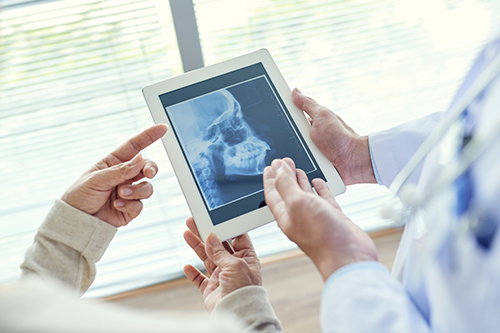
The first appointment is focused on understanding your objectives and collecting diagnostic records. We evaluate tooth position, jaw relationships, and any restorative considerations that may affect orthodontic planning.
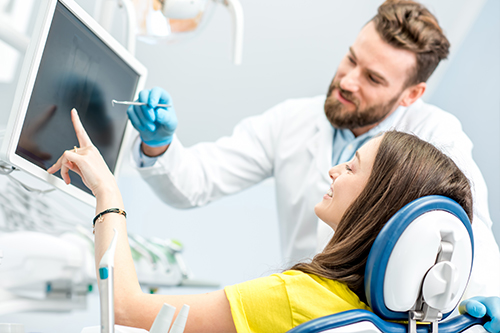
A digital scan creates an accurate 3-D model of your teeth that the team uses to design the entire treatment sequence. Many patients find the visualization helpful for understanding how their smile will change over time.

Aligners are manufactured to the exact specifications of the approved plan. During the delivery visit we review wear instructions, show how to insert and remove trays, and outline the schedule for follow-up visits.

Throughout treatment, clinical reviews confirm that tooth movements remain aligned with the plan. After active alignment is complete, a retention strategy is put in place to maintain results long term.
Watch patient-focused videos that illustrate the treatment workflow and real-world experiences with clear aligners.
*Invisalign® is a registered trademark of Align Technology, Inc.
Whether you are beginning your alignment journey or seeking a discreet alternative to traditional braces, clear aligner therapy offers a contemporary, data-driven approach to improving tooth position and function. If you would like to learn more about how this treatment might apply to your situation, contact ProSmiles OC for additional information and to schedule a consultation.
There are many options for patients who want to avoid metal braces! The most popular alternative orthodontic treatment is Invisalign®, which are clear plastic aligners designed to straighten teeth. After an examination of your teeth, your dentist will determine which option is best suited to your wants and needs.
According to the Invisalign® website, the cost for treatment is approximately the same as the cost for metal braces. A portion of this cost may be covered by your insurance. Please call us to set up a consultation and discuss potential payment plan options.
The first step is to schedule a consultation with your doctor, so they can devise a treatment plan that is best suited to your individual dental needs. Once approved, you will receive your first set of aligners. Your doctor will then regularly monitor the movement of your teeth and new aligners will be ordered according to the progress made in your treatment plan.
Invisalign® aligners are made of clear, flexible plastic. The company received a patent for this material – SmartTrack® – to be used exclusively for Invisalign treatment purposes. These aligners are FDA approved and nearly invisible!
Your doctor will give you an estimate regarding how long your Invisalign® treatment should take, which will depend on your specific needs. The average length of time for treatment is approximately 12-18 months. However, some patients may see results far sooner. Remember to wear your aligners exactly as instructed by your doctor to obtain the best results.
Your doctor will most likely recommend that you wear retainers following your Invisalign® treatment. This is a precaution that will prevent your teeth from shifting back to their original positioning. It is important to follow your doctor's instructions exactly to ensure long-lasting results.
You must wear your aligners for up to 22 hours daily. You may remove them for eating, drinking and regular oral hygiene.
No. Unlike braces, you may eat whatever you like as long as you remove the aligners before eating. Prior to placing the aligners back on, it is important to brush your teeth and the aligners after you eat.
Like any orthodontic treatment, there is a short adjustment period. The more you speak with the aligners on, the quicker you will adjust.
There will be some pressure and minor discomfort for a day or two after each initial insertion. This is a sign that your teeth are moving sequentially into their final position.
It is recommended that you remove your aligners prior to chewing gum as the gum will stick to the aligners.
We discourage smoking with aligners as the cigarette smoke will tend to discolor them.
Brushing them with toothpaste will keep them fresh and clean.
Regular office visits are every five to six weeks. This will ensure that your Invisalign treatment is progressing as planned.
All orthodontic patients are instructed to wear their retainers at night indefinitely. Sleeping with your retainers in at night will ensure a healthy bite and maintain the new position of your teeth.
Yes, if their teeth, including second molars, have grown in completely.
Invisalign® is a clear aligner system that straightens teeth using a series of custom-made, nearly invisible trays designed to move teeth in small, controlled steps. Unlike traditional braces, aligners are removable and do not use brackets or wires, which makes them less noticeable and often more comfortable for daily wear. The treatment plan is developed digitally so each tray corresponds to a specific stage in the intended tooth movement.
The removable design allows patients to maintain their normal oral hygiene routine and to eat without the dietary limitations common with braces. Because aligners rely on consistent wear, predictable results depend on following the recommended schedule, typically around 20–22 hours per day. Clinical supervision and adherence to the plan are essential to translate the digital simulation into real-world outcomes.
Good candidates for Invisalign® include adults and responsible teenagers with mild to moderate crowding, spacing, or certain bite issues that can be addressed with aligner movements. Suitability is determined by a clinical evaluation that considers the complexity of tooth movements, jaw relationships, and any restorative needs. Patients with extensive skeletal discrepancies or highly complex tooth rotations may require alternative or combined orthodontic approaches.
Clinical factors such as periodontal health, existing restorations, and overall oral hygiene also influence candidacy because healthy teeth and gums support predictable movement. Teenagers can be excellent candidates when they demonstrate reliable compliance with wear schedules. The final recommendation is always made after a comprehensive assessment and a review of realistic treatment goals.
Digital treatment planning begins with an accurate intraoral scan or impressions that create a three-dimensional model of your teeth and bite relationships. The clinician uses that model to generate a treatment simulation—often called a ClinCheck—that maps the planned sequence of movements from the starting position to the intended outcome. This simulation allows providers to refine movement goals, staging, and the placement of auxiliaries before any physical aligners are fabricated.
At ProSmiles OC the digital workflow enables clear communication between the clinician and the patient, helping set expectations and visualize progress. High-quality scans and careful case setup increase the likelihood that the manufactured aligners will match the digital plan closely. Regular reviews during treatment allow adjustments when small refinements are needed to stay on track.
Once treatment begins you will wear each set of aligners for a prescribed interval, commonly one to two weeks, before advancing to the next tray in the series. You may feel light pressure or sensitivity when starting a new aligner, which is a normal indication that teeth are moving; most people adapt within a few days. Routine check-ins with the treating clinician are scheduled to monitor progress, confirm fit, and make necessary mid-course adjustments.
Because aligners are removable, patients should plan around consistent wear and proper maintenance to avoid delays. The absence of brackets and wires reduces soft-tissue irritation and simplifies brushing and flossing. At the end of active alignment the clinician will discuss a retention strategy to protect the new tooth positions over time.
Attachments are small, tooth-colored composite bumps bonded to specific teeth to give the aligners a better grip and to guide certain movements, such as rotations or extrusions. Elastics may be used in conjunction with aligners when correction of bite relationships requires interarch force, similar to how elastics are used with braces. Both attachments and elastics are temporary and are removed or discontinued once the prescribed movements are achieved.
The decision to use attachments or elastics is made during treatment planning and reviewed at delivery so patients understand their role and care requirements. Attachments are discreet and designed to blend with the tooth surface, while elastics require patient compliance in wear and replacement. Regular clinical follow-up ensures these auxiliaries are functioning as intended and allows for adjustments if needed.
Treatment duration for Invisalign® varies depending on the complexity of the case, the specific movements required, and how consistently the patient wears the aligners. Simpler cases with minimal spacing or crowding can complete more quickly, while cases that require bite correction, rotational control, or coordination with restorative work may take longer. The initial digital plan provides an estimated timeline, but that estimate can change if mid-course refinements are needed.
Patient adherence to the recommended wear schedule is one of the most important factors in staying on the projected timeline, as missed wear time can delay progress. Biological variability—how teeth respond to force—also plays a role and is monitored during clinical visits. Regular reviews allow the clinician to make timely adjustments to keep movements efficient and predictable.
Proper aligner care includes rinsing and brushing trays gently with a soft brush and using products recommended by your clinician to avoid discoloration or warping. Aligners should be removed for eating and drinking anything other than water to prevent staining and bacterial buildup, and they should be stored in a protective case when not worn. Daily oral hygiene—brushing twice and flossing once—is essential to prevent plaque accumulation and support periodontal health during orthodontic movement.
Regular dental cleanings and checkups remain important while undergoing aligner therapy because professional monitoring helps detect and manage potential issues early. If attachments are present, you should follow instructions for cleaning around them to avoid trapping debris. Promptly report any fit issues, persistent soreness, or damage to aligners to your treating clinician so corrections can be made without compromising progress.
Most patients experience only a short period of adjustment to speaking with aligners, typically a few days, during which a mild lisp may occur as the mouth adapts to the new appliance. Because aligners are smooth and custom-fitted, they usually cause less soft-tissue irritation than traditional braces and rarely interfere with eating once trays are removed for meals. Aligners are designed to be worn during most daily activities and can be removed for special occasions, though consistent wear is crucial for effective treatment.
Physical activities and sports are generally compatible with aligner therapy; patients who play contact sports should consider wearing a properly fitted mouthguard over the aligners or using an alternative mouth protection strategy as advised by the clinician. Traveling on business or for school requires planning to keep aligners and storage cases accessible and to maintain the wear schedule. Clear instructions from the clinical team help patients integrate aligner care smoothly into everyday routines.
After active alignment is complete the clinician will provide a retention plan to preserve the new tooth positions, commonly involving removable retainers or fixed retention bonded behind certain teeth. Retention protocols vary based on the original malocclusion, the amount of movement achieved, and individual risk factors for relapse, so the specific approach is tailored to each patient. Follow-up visits are scheduled to evaluate retention appliances and to address any early signs of movement.
Long-term maintenance also includes routine dental care and good oral hygiene to support periodontal health, which contributes to stability. Patients are advised on the recommended regimen for retainer wear and on practical strategies for caring for retainers. Periodic monitoring allows the clinician to intervene early if minor retention issues arise, protecting the investment in the aligned smile.
ProSmiles OC combines precise diagnostics, digital scanning, and individualized treatment planning to create a clear roadmap for aligner therapy that reflects both functional goals and aesthetic priorities. The team reviews the digital simulation with patients, explains expectations for wear and care, and schedules regular clinical reviews to confirm that tooth movements follow the planned trajectory. Emphasis on communication and education helps patients understand their responsibilities and the clinical checks that support successful results.
Throughout treatment the practice prioritizes conservative, evidence-based approaches to movement and retention, integrating restorative considerations when coordination with crowns, implants, or veneers is necessary. Post-treatment retention and periodic evaluations are part of the workflow to help preserve outcomes over the long term. Patients who have questions or encounter changes during treatment are encouraged to contact the office for timely assessment and guidance.