Existing Patients
(949) 880-6638
New Patients
(949) 216-3427


Having a fully equipped dental laboratory in the same facility changes the way patients experience restorative and prosthetic care. When the technicians making your crowns, bridges, and appliances are just down the hall, communication becomes direct and immediate. That closer collaboration reduces guesswork, improves color and fit matching, and allows clinical and laboratory teams to make thoughtful adjustments together rather than relying on back-and-forth shipping and long wait times.
An onsite lab also creates continuity across the treatment process. From the initial impression to the final seating, every step is coordinated by people who understand your case and the specific goals for your smile. This hands-on approach translates into restorations that feel and function more like natural teeth because the laboratory work is tailored to the unique details of your mouth rather than produced from generic templates.
Beyond craftsmanship, an in-house lab supports predictable outcomes. The ability to examine specimens and prototypes in person—under the same lighting, using the same shade guides and materials the clinician prefers—helps reduce surprises at delivery. For patients, that means fewer adjustments, a smoother treatment experience, and restorations that meet expectations from both aesthetic and functional perspectives.
Clinical excellence and laboratory skill are two sides of the same coin. Digital workflows begin in the operatory with precise intraoral scans or detailed impressions, then move seamlessly to the lab where technicians combine those records with clinician input. This integrated process allows for collaborative treatment planning: clinicians can request specific materials, occlusal schemes, or esthetic nuances, and technicians can propose adjustments based on manufacturing constraints and long‑term performance considerations.
Communication is formalized through case notes, photographs, and shade information, ensuring that every restoration is made with a clear understanding of the patient’s functional needs and cosmetic goals. When combined with modern tools—such as digital design software and visual mockups—this dialogue results in final restorations that are both practical and lifelike. The clinician and technician work as a team to refine contours, contacts, and occlusion before a restoration ever reaches the patient’s mouth.
Because the lab and clinical areas operate under one roof, adjustments and refinements can occur rapidly. If a seating reveals a minor discrepancy, the team can iterate quickly: send the piece back for a targeted tweak, modify the digital design, or fabricate a new component with minimal delay. That agility preserves the treatment plan and minimizes inconvenience for the patient.
Our in-house laboratory is equipped to produce a broad spectrum of restorations—cereamic crowns, porcelain veneers, implant restorations, inlays and onlays, bridges, and both partial and full dentures. Each type of restoration requires a careful balance of material selection, design, and finishing techniques to achieve the desired outcome. Laboratory technicians apply both technical skill and an artistic sensibility to ensure restorations match neighboring teeth in shape, shade, and translucency.
Material advances such as high-strength ceramics and optimized zirconia allow technicians to create restorations that are durable without sacrificing aesthetics. The lab’s control over milling, sintering, and staining processes means color gradients, surface texture, and glazing can be customized to create a natural appearance. Precision fit is emphasized at every stage—accurate margins and proper occlusion reduce stress on the restoration and the supporting teeth, which contributes to longer service life.
Fit and function are verified through careful quality checks before a restoration is finalized. Technicians confirm margins, contacts, and occlusal relationships, and clinicians evaluate form and esthetics in the mouth. When both teams sign off, the result is a restoration designed to meet the patient’s needs for comfort, chewing efficiency, and visual harmony with the smile.
One of the most tangible benefits of an onsite lab is faster turnaround for routine and urgent needs alike. Because transportation and inter-facility delays are eliminated, many cases can be completed more quickly—sometimes within days instead of weeks. This speed reduces the number of appointments required and shortens the overall treatment timeline without compromising quality.
The same advantage applies to repairs and replacements. If a restoration is damaged or an appliance requires adjustment, having technicians nearby allows for rapid assessment and repair. Minor repairs can often be completed the same day; more complex remakes proceed with clear communication between the clinician and lab so the replacement matches the original intent. That responsiveness minimizes disruption to daily life and helps restore normal function promptly.
For patients, convenience also means fewer interim prostheses and less time spent wearing temporary restorations. Because the lab can produce precise final restorations efficiently, clinicians can focus on delivering durable outcomes rather than managing logistical hurdles. The combined effect is a more streamlined, patient-centered pathway from diagnosis to definitive care.
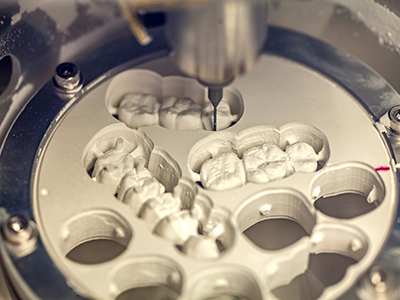
Quality assurance in the lab is a combination of modern technology and experienced craftsmanship. Computer‑aided design and manufacturing (CAD/CAM) tools, digital scanners, and precise milling units give technicians the means to produce consistent, well-fitting parts. At the same time, skilled hands and trained eyes are essential for finishing, staining, and polishing—steps that determine the lifelike appearance of the final restoration.
Lab protocols emphasize material handling, traceability, and cleanliness. Each case follows a documented workflow that records the specifications, materials used, and any special instructions from the clinician. This record-keeping supports predictable outcomes and makes it possible to reproduce successful results or identify opportunities for improvement when adjustments are needed.
Ongoing training and investment in equipment keep the lab aligned with current best practices. Technicians participate in professional development to stay current on new ceramics, bonding technologies, and fabrication methods. At the same time, the clinical team provides feedback on clinical performance and patient outcomes, creating a feedback loop that drives continuous refinement of techniques and materials.
When a dental laboratory operates as an extension of the clinical team, patients benefit from both precision engineering and personalized care. The laboratory’s role is integral to achieving restorations that are functional, comfortable, and esthetically pleasing—delivered with the consistency and attention to detail patients deserve.
In summary, an onsite dental laboratory elevates restorative dentistry by combining technical expertise, modern equipment, and close collaboration with clinical staff. At ProSmiles OC, this integrated approach supports predictable, efficient, and patient-focused care. If you’d like to learn more about how our in-house lab can improve your restorative experience, please contact us for additional information.
An onsite dental laboratory is a fully equipped fabrication space located within or adjacent to a dental practice that produces crowns, bridges, veneers, dentures, and other prosthetic appliances. Having technicians nearby changes the restorative process by enabling direct communication between clinicians and laboratory staff, which improves color matching and marginal fit. This proximity reduces reliance on shipping and long external turnaround times, so cases can be reviewed and refined in real time.
Continuity across every step—from the initial impression or digital scan to the final seating—means laboratory work is tailored to the unique anatomy and aesthetic goals of each patient. Technicians and clinicians collaborate on design decisions, materials, and occlusal schemes to produce restorations that function predictably and look natural. At ProSmiles OC, that integrated approach helps ensure consistent outcomes and a smoother restorative experience for patients.
Direct, face-to-face communication allows clinicians to explain functional goals and esthetic preferences while technicians can point out manufacturing considerations or recommend design tweaks. Case records such as intraoral scans, clinical photos, and detailed notes are shared instantly, eliminating the ambiguity that sometimes occurs with mail-based case transfers. This faster feedback loop lets the team iterate on prototypes or digital designs quickly, reducing the number of adjustments needed at delivery.
Formalized communication paths—shade maps, annotated photos, and specific material requests—help ensure everyone understands the plan before fabrication begins. Technicians can also propose modifications when a material choice or occlusal scheme may affect long‑term performance, creating a true collaborative workflow. The result is a more predictable restorative process with fewer surprises at the seating appointment.
An in-house laboratory typically fabricates a wide range of restorations, including ceramic crowns, porcelain veneers, implant-supported restorations, inlays and onlays, multi-unit bridges, and both partial and full dentures. Technicians are skilled in the specialized steps required for each restoration type, from coping design to layering and glazing, to achieve the intended strength and esthetics. Because fabrication occurs under one roof, technicians can refine contours and contacts specifically for the patient rather than relying on generic templates.
The lab also handles appliances such as night guards and sports mouthguards that require careful adaptation to the patient’s bite and comfort needs. When necessary, custom implant components and abutments are designed to match the prosthetic plan, supporting long‑term function and maintenance. Through coordinated clinical and laboratory planning, each appliance or restoration is checked for fit, occlusion, and visual harmony before final delivery.
Modern dental laboratories combine digital tools and precision equipment such as intraoral and desktop scanners, CAD/CAM design software, and high-precision milling units to produce consistent restorations. These systems allow technicians to design restorations digitally, control margins and contacts to micrometer tolerances, and mill frameworks from robust materials with excellent repeatability. Digital workflows also enable easy modifications to designs and faster transitions between prototype and final fabrication.
Post-milling processes like sintering, staining, glazing, and hand-finishing remain essential to achieve lifelike translucency and surface texture. Accurate color communication is supported by consistent lighting, digital shade capture, and standardized shade guides used by both the clinician and technician. When combined, these technologies and craft techniques improve both aesthetic outcomes and the long-term performance of restorations.
An onsite lab shortens turnaround times because transportation delays are eliminated and staff can prioritize cases based on clinical needs. Many routine restorations and certain repairs can be completed in a matter of days, and minor adjustments are often addressable the same day they are discovered. Faster delivery reduces the number of appointments required and limits the time patients must wear interim restorations.
For urgent repairs—such as a fractured crown—nearby technicians can assess the piece immediately and determine whether a repair or remake is appropriate. When a remake is needed, digital records and close collaboration between the clinic and lab speed up the corrective process while preserving the original treatment objectives. This responsiveness minimizes disruption to a patient’s daily life and supports a more efficient return to normal function.
Shade matching and esthetic planning begin with well-documented case records that include photographs under standardized lighting and a detailed shade map. Technicians use those records in the lab to layer ceramics and adjust translucency and surface texture so the restoration blends with adjacent teeth. Face-to-face discussions or digital mockups allow clinicians to convey patient preferences for brightness, hue, and characterization before final glazing.
Try-in appointments and provisional restorations provide an opportunity to confirm form, function, and appearance before the final piece is completed. If changes are needed, the in-house team can act quickly to refine the restoration’s contours, contacts, or color gradation. This iterative process helps achieve a natural result that respects both cosmetic goals and functional demands.
Quality assurance in a dental lab is built on documented workflows, material traceability, and consistent cleanliness and handling protocols. Each case includes records of the materials used, design parameters, and any clinician instructions so the fabrication process can be audited and reproduced. Technicians perform systematic checks for margins, contacts, and occlusion before a restoration is finalized to catch issues early.
Ongoing training, professional development, and equipment maintenance are important elements of continuous improvement within the lab environment. Feedback from clinical follow-up appointments is used to evaluate how restorations perform in the mouth and to inform future material or design choices. Together, these practices reduce variability and support predictable, long-lasting outcomes.
Material selection balances aesthetic goals, strength requirements, and the restoration’s location in the mouth; common options include high-strength zirconia, layered ceramics, and lithium disilicate for anterior and posterior applications. Each material has distinct properties—zirconia offers excellent fracture resistance while layered ceramics provide superior translucency for highly esthetic cases. Technicians and clinicians evaluate occlusal forces, opposing dentition, and bonding protocols to recommend the most appropriate material for the case.
The lab controls critical fabrication steps such as milling parameters, sintering cycles, and surface finishing to ensure the material performs as intended. Proper bonding and cementation procedures, coordinated with the clinician, also play a major role in the restoration’s longevity and functional success. Selecting the right combination of material and technique helps achieve a durable, natural-looking restoration tailored to the patient’s needs.
Patients typically begin with a diagnostic appointment that includes an intraoral scan or conventional impressions, clinical photographs, and a discussion of aesthetic and functional goals. Those records are used to create a digital or physical prescription that guides the laboratory’s design and material choices. When prototypes or provisionals are indicated, they are evaluated for fit, occlusion, and appearance before the final fabrication proceeds.
At the seating appointment the clinician verifies margins, contacts, and occlusal relationships and makes any minor adjustments needed for comfort and function. Having an onsite lab makes it easier to address small discrepancies immediately, whether by adjusting the restoration or initiating a quick remake. Once both clinician and technician approve the result, the restoration is finalized and the patient receives instructions for care and maintenance.
If you have questions about a specific restorative plan or want to learn how the in-house laboratory might affect your treatment timeline, contact the office to discuss case-specific details. Clinical staff can explain whether a digital scan or conventional impression will be used and outline the anticipated steps for your restoration. They can also describe the materials and technologies typically used and how laboratory workflows support predictable outcomes.
To inquire about restorative services performed with our onsite laboratory, call (949) 880-6638 or visit the practice at 24953 Paseo De Valencia, Suite 6C, Laguna Hills, CA 92653. Office staff can note your questions for the clinical team and schedule a consultation if appropriate. This direct line of communication helps ensure your treatment plan is coordinated between the clinician and laboratory from the start.