Existing Patients
(949) 880-6638
New Patients
(949) 216-3427


Keeping your teeth and gums healthy at home is essential, but even the most careful brushing and flossing can miss tight spaces and stubborn deposits. Routine professional dental cleanings remove plaque and tartar buildup in places you can’t reach on your own, and they give your care team an opportunity to identify early signs of trouble. Regular cleanings are a cornerstone of preventive dentistry and an investment in a lifetime of healthier smiles.
Daily oral hygiene is the foundation of good dental health, yet plaque can harden into tartar (calculus) in as little as 24–72 hours, creating a rough surface that attracts more buildup. Once mineralized, tartar cannot be removed with a toothbrush and requires professional tools. Left in place, these deposits foster bacteria that contribute to cavities, gum inflammation, and more advanced periodontal problems.
Professional cleanings also give dental professionals a chance to monitor changes over time. Small issues — a developing cavity, early gum recession, or signs of enamel wear — are far easier to manage when detected early. This preventive approach keeps treatments simpler and recovery quicker compared with addressing problems at a later stage.
Beyond oral health, mounting research shows links between chronic gum inflammation and systemic conditions such as diabetes and cardiovascular disease. While cleanings are not a cure for systemic illness, maintaining healthy gums can be part of a broader strategy to support general well-being, and a dental cleaning is one straightforward, effective step toward that goal.
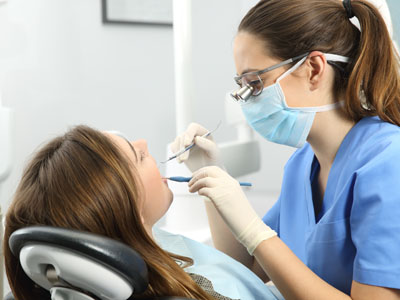
A clinical cleaning typically follows a logical sequence designed for both efficiency and comfort. First, the hygienist conducts a gentle assessment of your mouth, noting gum pocket depths, areas of sensitivity, and any visible signs of decay or wear. If necessary, digital X-rays and intraoral photos are used to supplement the exam and capture details that aren’t visible to the naked eye.
Scaling is the core of the procedure: removal of plaque and tartar from tooth surfaces and just below the gumline. Modern offices use a combination of hand instruments and ultrasonic scalers. Ultrasonic devices loosen deposits with micro-vibrations and water irrigation, while hand scalers allow the hygienist to carefully refine and smooth the tooth surface. Using both methods together helps achieve a thorough, gentle clean.
After scaling, the hygienist will polish the teeth to remove surface stains and smooth the enamel. Polishing makes teeth feel clean and can help slow the re-accumulation of plaque. If you have areas of sensitivity, the hygienist will adjust techniques, rinse with desensitizing agents, or recommend topical treatments to minimize discomfort during and after the appointment.
Lastly, your visit will usually include personalized oral hygiene instruction. This is an opportunity to review brushing technique, flossing strategies, and any tools that might benefit your routine, such as interdental brushes or water flossers. These recommendations are practical and tailored to your anatomy, dental history, and lifestyle.
Gum disease begins with inflammation driven by bacterial plaque. In its earliest, reversible stage — gingivitis — gums appear red, swollen, and may bleed when brushed. Professional cleanings remove the bacterial film and allow inflamed tissue to heal, reversing early gum disease in many cases. Regular appointments reduce the likelihood that inflammation will progress to irreversible periodontal disease.
When periodontal disease advances, pockets form between teeth and gums where bacteria thrive. These pockets require more intensive care, and untreated periodontitis can lead to bone loss and tooth mobility. By maintaining a schedule of routine cleanings and periodontal evaluations, your team can disrupt this cycle and preserve both soft tissue and bone support.
It’s important to view oral health as part of whole-body health. Chronic inflammation in the mouth has been associated with higher levels of systemic inflammatory markers. While the relationships are complex and still under study, keeping inflammation in the mouth under control through regular professional care is a prudent component of overall health maintenance.
Many patients worry that cleanings will be uncomfortable, especially if they have sensitive teeth or underlying gum issues. Modern techniques and a patient-centered approach can make cleanings much more tolerable. Hygienists are trained to monitor comfort and modify instruments, angles, and timing to reduce sensitivity during scaling and polishing.
For patients with heightened anxiety, the office can employ several non-invasive strategies to create a more relaxed experience. This might include step-by-step explanations before and during the procedure, short breaks when needed, and breathing or relaxation techniques. For those with extreme apprehension, options such as nitrous oxide or other comfort measures may be discussed during your comprehensive visit.
People with special health considerations — including pregnancy, certain medications, or medical conditions that affect bleeding or healing — deserve extra attention. The hygienist and dentist will adapt the cleaning protocol as needed, coordinate with your medical providers when appropriate, and ensure that your treatment plan is both safe and effective for your specific circumstances.
Following a cleaning, most patients leave the office with a bright, refreshed feeling and a clear action plan. Post-appointment recommendations commonly include targeted brushing and flossing techniques, advice on managing sensitivity, and dietary suggestions that support enamel strength and gum health. These small adjustments can extend the benefits of your cleaning and reduce the pace of future buildup.
Frequency of professional cleanings is individualized. While many patients benefit from twice-yearly visits, others with a history of periodontal disease, heavy plaque buildup, or specific risk factors may require more frequent maintenance. Your dental team will recommend an interval based on clinical findings, risk assessment, and your personal goals for oral health.
Long-term prevention also includes attention to lifestyle factors: smoking cessation, limiting sugary snacks and acidic beverages, and maintaining stable control of conditions like diabetes. The dental team can offer practical, achievable steps and follow up on progress at each visit, helping you build a realistic and sustainable oral care routine.
Finally, consistent cleanings support other dental treatments. Whether you have restorative work, cosmetic enhancements, or are considering implants, a healthy foundation of clean teeth and balanced gums improves outcomes and longevity. Preventive cleanings are the quiet workhorse behind most successful, long-lasting dental results.
At ProSmiles OC, our goal is to make dental cleanings informative, comfortable, and effective so patients leave feeling confident about their oral health. If you’d like to learn more about what to expect during a cleaning or how often you should be scheduled, please contact us for more information.
A professional dental cleaning is a clinical procedure that removes plaque and hardened tartar from tooth surfaces and just below the gumline using a combination of ultrasonic and hand instruments. This process reaches areas that routine brushing and flossing cannot access, helping to prevent cavities and gum inflammation before they progress. Regular cleanings also give your dental team the opportunity to detect early signs of decay, enamel wear, or soft tissue changes.
Beyond immediate plaque removal, cleanings refresh the tooth surface and reduce surface staining to improve oral comfort and hygiene. By keeping bacterial buildup in check, cleanings lower the risk of developing more advanced periodontal conditions that require intensive care. For most patients, they are a foundational element of long-term preventive dentistry and oral health maintenance.
Cleaning frequency is individualized and depends on your oral health, risk factors, and dental history; many patients benefit from visits every six months while others may require more frequent maintenance. Your dental team will assess gum pocket depths, plaque levels, and other clinical indicators to recommend an appropriate interval. Patients with a history of periodontal disease, heavy buildup, or systemic risk factors may be placed on a shorter recall schedule for closer monitoring.
Consistency is key: following the recommended interval helps stabilize gum health and prevents small problems from becoming more complex. Regular visits also allow for timely adjustments in home care techniques and targeted preventive measures. Your hygienist will explain the clinical rationale for the interval and any steps you can take between appointments to optimize results.
A typical modern cleaning begins with an assessment of your oral tissues, pocket measurements, and any areas of concern, sometimes supplemented by digital X-rays or intraoral photos. The hygienist then performs scaling to remove plaque and tartar using ultrasonic scalers and hand instruments, followed by polishing to smooth enamel and remove surface stains. If sensitivity is present, techniques and materials are adjusted to minimize discomfort during the procedure.
After the mechanical cleaning, you will receive individualized oral hygiene instruction tailored to your anatomy and habits, including recommendations for tools like interdental brushes or water flossers. The visit usually concludes with a review of findings and a suggested interval for follow-up care. These steps are designed to be efficient, comfortable, and focused on long-term prevention.
A routine dental cleaning can reverse early gum inflammation known as gingivitis by removing the bacterial film that irritates the gums and allowing tissue to heal. When gum disease has progressed into periodontitis, deeper pockets and bone loss may be present and additional periodontal therapies are usually required. In such cases, scaling and root planing or a more intensive maintenance program may be recommended to control bacterial levels and stabilize the tissues.
Early detection through regular cleanings and periodontal evaluations is critical because less advanced problems respond best to conservative treatment. Ongoing maintenance appointments and improved home care can prevent recurrence and reduce the need for surgical intervention. Your dentist will explain the condition, proposed treatments, and a maintenance schedule based on clinical findings.
Hygienists use a variety of techniques to reduce sensitivity, including gentle instrument angulation, shorter scaling intervals in sensitive zones, and the use of ultrasonic settings that minimize vibration. Topical desensitizing agents, fluoride varnish, or specially formulated rinses can be applied during or after the appointment to help decrease post-treatment sensitivity. Communication is encouraged throughout the visit so the clinician can pause or modify treatment as needed for comfort.
In some cases, home-use products are recommended to strengthen enamel and reduce sensitivity between appointments, such as desensitizing toothpaste or prescribed rinses. If sensitivity persists, the team will investigate underlying causes like enamel erosion, exposed root surfaces, or restorative needs. Addressing the root cause alongside symptomatic relief leads to better long-term outcomes.
Digital X-rays and intraoral photographs are often used alongside a clinical exam to capture details that cannot be seen with the naked eye, such as early decay between teeth, bone levels around teeth, and subtle fractures. These diagnostic tools enhance treatment planning and help document changes over time so clinicians can compare findings at successive visits. Digital imaging is efficient and uses lower radiation than traditional film techniques when X-rays are indicated.
Not every cleaning requires new images; the decision to take X-rays or photos is based on risk assessment, symptoms, and the time since prior imaging. When used, these tools support precise, conservative care and improve communication about recommended steps. Your dental team will explain the reason for any images and how they inform the recommended course of action.
Preparation for a cleaning is straightforward: continue regular home care, bring a list of current medications and any health updates, and note any areas of oral discomfort to discuss with the hygienist. If you have a medical condition or take medications that affect bleeding or healing, inform the office ahead of time so the team can adapt the visit for safety. Arrive a few minutes early to complete any necessary paperwork and to provide a relaxed start to your appointment.
If this is your first visit to the practice, bring previous dental records or recent X-rays when available to help the team build a complete clinical picture. For patients visiting ProSmiles OC in Laguna Hills, the front office can advise on intake procedures and answer logistics questions before your visit. Clear communication ensures an efficient appointment focused on comfort and effective preventive care.
Routine dental cleanings are generally safe and recommended during pregnancy and for many chronic health conditions, as maintaining oral health supports overall well-being. The dental team will coordinate timing and techniques to accommodate pregnancy-related changes and will take appropriate precautions for patients with conditions that affect bleeding, immune response, or healing. Local anesthetic and routine diagnostics are typically safe when managed by an informed dental provider, but always communicate with your medical team when necessary.
For patients with diabetes, cardiovascular conditions, or compromised immune systems, more frequent monitoring and tailored hygiene protocols may be advised to reduce infection risk and support tissue health. The hygienist and dentist will review any medications and collaborate with your medical providers when needed to ensure care is both safe and effective. Open communication about your health history allows the team to personalize the cleaning plan.
After a cleaning, it is normal to experience mild sensitivity or gum tenderness for a short time; symptoms usually subside within a day or two and can be managed with gentle home care and recommended products. Follow the personalized oral hygiene instructions given by your hygienist, including any changes to brushing technique, flossing frequency, or the use of adjunctive tools like interdental brushes. If fluoride treatment or desensitizing varnish was applied, avoid abrasive toothpaste or staining foods for the period advised by your clinician.
Contact the office if you experience prolonged bleeding, increasing pain, or any signs of infection after your appointment. Regular follow-up visits and consistent at-home care extend the benefits of professional cleanings and reduce the likelihood of needing more invasive treatment. Your dental team will schedule the next visit based on clinical need and long-term preventive goals.
Professional cleanings create a healthy foundation of clean tooth surfaces and balanced gum tissue, which improves the prognosis of restorative, cosmetic, and implant treatments. Healthy gums and minimal bacterial load reduce complications, support better healing, and help ensure that crowns, veneers, implants, and other restorations perform as intended over time. Cleanings also let clinicians monitor the condition of existing restorations and identify early issues that might compromise future treatment.
Maintaining a consistent schedule of preventive visits enhances the longevity of dental work and helps patients achieve predictable, long-term outcomes. By preventing or managing inflammation and decay early, cleanings reduce the need for more complex interventions and support overall oral stability. Your dental team will coordinate preventive care with any restorative or cosmetic plan to help protect your investment in oral health.