
ProSmiles OC | All-on-6 reg , Botox reg  and Full Mouth Reconstruction

CEREC

ProSmiles OC | Invisalign reg , Oral Exams and Dental Cleanings

Same-day ceramic restorations that combine modern digital workflow with natural-looking results.

Same-day convenience: how one visit becomes a complete restoration

CEREC brings the design, fabrication, and placement of ceramic restorations into a single appointment. That workflow reduces the number of visits required and keeps every step under the dentist’s direct supervision — from digital impression to final fit. For many patients this means less time in the chair overall, fewer return visits, and a streamlined experience that fits into a busy schedule.

Beyond convenience, the single-visit approach maintains tight control over accuracy and aesthetics. Because the dentist oversees the design and adjusts the restoration on-site, color matching and marginal fit can be fine-tuned in real time. That results in restorations that integrate smoothly with the surrounding teeth and require minimal adjustments after placement.

Importantly, the patient experience is often calmer and more predictable: there’s no temporary crown, no impression trays to tolerate, and no waiting weeks for a lab return. For those who prefer efficient, modern dentistry without sacrificing quality, CEREC provides a practical alternative to traditional multi-appointment restorative care.
ProSmiles OC | Air Abrasion, Fluoride Treatment and Invisalign reg

Single-visit crowns: predictable outcomes with less hassle

One of the most common uses of CEREC is for crowns that restore both function and appearance. After tooth preparation, a precise digital scan captures the contours of the prepared tooth and the bite relationship. That scan becomes the foundation for a tailored restoration that replicates the natural shape and occlusion of the tooth—ensuring a comfortable result right away.

Because the restoration is milled from solid ceramic blocks, it can be crafted to closely match the translucency and shade of adjacent teeth. The result is a crown that looks natural while offering the strength needed for everyday chewing. Patients leave with a finished restoration that feels and performs like their own tooth.

For cases that would otherwise require temporaries and impressions, CEREC simplifies the timeline without compromising care. The precision of the digital workflow reduces the need for extensive chairside polishing or repeated adjustments, so final appointments tend to be efficient and well-coordinated.

ProSmiles OC | CEREC, Dental Sealants and Botox reg

Digital design and milling: the science behind a precise fit

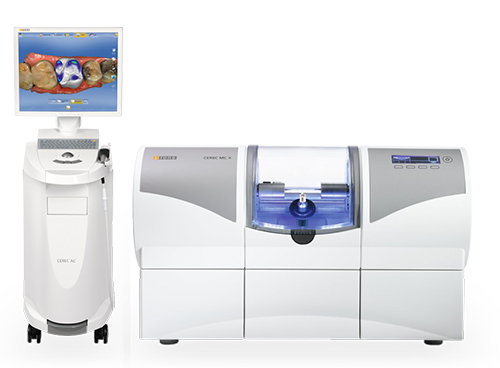
CEREC relies on advanced CAD/CAM technology to convert an intraoral scan into a digitally designed restoration. The software allows the clinician to sculpt anatomy, control contacts, and refine margins with visual precision. These design controls help achieve a restoration that preserves healthy tooth structure while restoring form and function.

Once the design is finalized, the digital file is sent to a chairside milling unit that shapes the restoration from a solid ceramic block. Milling tolerances and material science together produce restorations with excellent marginal integrity and a consistent internal fit. This level of control reduces micro-gaps and improves the long-term stability of the bond between tooth and restoration.

Because the entire process is digital, records of the restoration are preserved electronically. That makes follow-up easier if future adjustments are needed or if the restoration requires replication at a later date. The integrated workflow supports predictable outcomes for both straightforward and more complex restorative needs.

ProSmiles OC | ZOOM  Whitening, Digital Impressions and Dental Sealants

Why ceramic matters: aesthetics, compatibility, and durability

CEREC restorations are typically fabricated from high-quality dental ceramics engineered to mimic the optical and mechanical properties of natural enamel. These materials provide lifelike translucency and shade options, allowing restorations to blend seamlessly with adjacent teeth. The result is a cosmetic outcome that looks natural under different lighting conditions.

Ceramic is biocompatible and resists staining, making it an excellent choice for visible restorations. When bonded properly, ceramic restorations distribute occlusal forces effectively and can offer years of service with appropriate home care and regular dental maintenance. Their wear characteristics also tend to be gentle on opposing teeth.

For patients seeking an alternative to metal-based restorations, ceramic provides an attractive combination of strength and appearance. The ability to craft these materials on-site within the CEREC system means patients receive these benefits without prolonged treatment timelines.

What to expect at your appointment and how we ensure quality

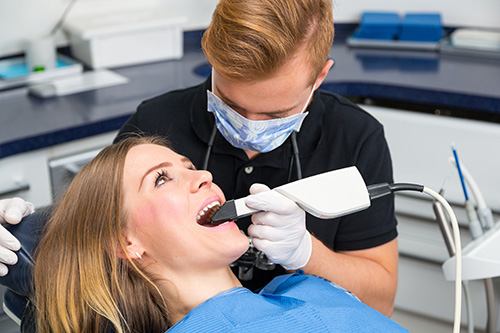
A typical CEREC visit begins with a thorough evaluation and discussion of goals—whether the case calls for a crown, an inlay, or an onlay. After preparing the tooth, the dentist captures a digital scan with an ergonomic wand that many patients find more comfortable than traditional impression materials. The scan is reviewed and refined until the anatomy and bite look correct in the software.

Next comes the design phase, where the dentist shapes contours, adjusts contacts, and selects shade and translucency to match the smile. The milling process follows, during which the restoration is carved from a ceramic block and then finished with polishing or glazing as needed. Because every step occurs in the same clinical setting, adjustments and quality checks are immediate, and the restoration is placed the same day.

At our office, we pair the CEREC workflow with careful adhesive protocols and clinical finishing to maximize longevity and comfort. We focus on conservative preparation, precise bonding, and occlusal harmony so that your restoration integrates with your bite and demands minimal maintenance. This attention to detail supports outcomes that are both durable and pleasing to the eye.

Final thoughts and next steps

CEREC represents a modern approach to restorative dentistry that prioritizes efficiency without sacrificing quality. It’s particularly well suited to patients who value predictable, aesthetic results and a streamlined care experience. By combining digital scanning, computer-guided design, and in-office milling, the system delivers durable ceramic restorations in a single appointment.

The office of ProSmiles OC integrates CEREC technology into a patient-centered workflow to ensure each restoration meets clinical and cosmetic goals. If you’re curious whether a CEREC restoration is right for your situation, we can evaluate your needs and explain how this option compares with other restorative pathways.

Please contact us for more information or to schedule a consultation. We’ll be happy to discuss how CEREC can fit into your treatment plan and answer any questions you may have.

Frequently Asked Questions

What are CEREC® same-day crowns?

+

Today, there's no need to merely imagine how nice it would be to have a dental crown fabricated in a single visit. With CEREC technology and advanced systems of care, multiple trips to the dentist are a thing of the past! Now, one appointment is all it takes for our skilled and experienced dentist to design, fabricate, and place a naturally beautiful and long-lasting same-day crown. And, best of all, unlike conventional methods of care, you won't have to endure messy dental impressions, wear a temporary crown, or wait weeks for your permanent restoration to come back from the laboratory.

How are CEREC® same-day crowns made?

+

Offering a level of precision and comfort that exceeds conventional methods of care, CEREC technology is nothing short of amazing! Advanced CAD/CAM technology, which stands for computer-aided design and computer-aided manufacturing, enables our dentist to translate images from an optically scan tooth into a 3D virtual model upon which a custom crown can be digitally designed. Once this step is done, the detailed specs are then wirelessly transmitted to a chairside 3D milling machine to fabricate your new ceramic crown while you wait!

What are the benefits of CEREC® same-day crowns?

+

With conventional methods of care, a dental crown can take two to three visits to fabricate and place. However, thanks to the benefits of CEREC technology, we can prepare a tooth, then design, fabricate, and place your new crown, all while you wait.

With CEREC same-day crowns, there's none of the mess of conventional dental impressions, wearing dental temporaries, or waiting for the final crown to come back from the lab. Once the prepared tooth is optically scanned and the restoration digitally designed, your new crown can be milled from the highest quality of dental ceramics that very same visit.

Will my CEREC® same-day crown look natural?

+

CEREC same-day crowns and restorations are fabricated from the highest quality of dental ceramics. Because dental porcelain reflects light in much the same way as dental enamel, your new crown will look flawless, completely natural, and blend seamlessly with your smile.

Do CEREC® same-day crowns last a long time?

+

A CEREC same-day crown offers much more than a convenient approach to getting a dental crown. It is also a high quality, naturally beautiful, extremely durable, and long-lasting dental restoration! The fact is, with proper oral hygiene and routine dental care your new crown will serve your smile well for many years to come.

What is CEREC and how does it work?

+

CEREC is a chairside digital system that combines intraoral scanning, computer-aided design (CAD) and computer-aided manufacturing (CAM) to create ceramic dental restorations in a single visit. The process begins with a digital scan of the prepared tooth and surrounding bite, which is translated into a 3-D design on specialized software. That design is then sent to an in-office milling unit that fabricates the restoration from a solid ceramic block.

Because the entire workflow happens in the same clinical setting, dentists can control fit, contacts and aesthetics in real time and make immediate adjustments before final bonding. Digital records of the restoration are stored electronically, which streamlines follow-up care and possible future replication. For many patients, this integrated approach reduces appointments while maintaining clinical oversight throughout each step.

What types of restorations can be made with CEREC?

+

CEREC is most commonly used to fabricate crowns, inlays and onlays, and in many practices it can also produce veneers and small bridges depending on case complexity. The system excels at single-unit posterior and anterior restorations where a precise fit and natural appearance are priorities. Crowns made with CEREC restore form and function, while inlays and onlays preserve more natural tooth structure compared with full-coverage alternatives.

Selection of a CEREC restoration depends on the clinical goals, the amount of remaining tooth structure and the occlusal forces present. Larger multi-unit or highly complex cosmetic cases may still benefit from traditional laboratory collaboration, but many common restorative needs can be completed efficiently with the chairside workflow. Your dentist will evaluate which type of restoration best balances conservation, strength and appearance.

How long does a typical CEREC appointment take?

+

A typical CEREC appointment is completed in a single visit and the total time reflects the case complexity and any preparatory steps required. For straightforward single crowns or onlays the visit often includes evaluation, tooth preparation, digital scanning, in-office design and milling, finishing, and adhesive placement, all performed consecutively. Patients should expect a longer single appointment compared with a routine checkup, but the approach eliminates the need for a temporary restoration and a separate delivery visit.

Actual chair time varies by case and by whether additional procedures such as endodontic treatment or periodontal work are involved. Because the team controls design and finishing on-site, many finishing adjustments that might otherwise require a separate lab appointment are completed immediately. The result is a predictable, consolidated treatment timeline for suitable cases.

Are CEREC restorations as durable as traditional laboratory-made crowns?

+

CEREC restorations are fabricated from high-quality dental ceramics that offer favorable strength and wear characteristics when properly selected and bonded. Material choice, conservative tooth preparation, and precise adhesive protocols all contribute to long-term stability and performance. Clinical outcomes depend on appropriate case selection, occlusal management and routine maintenance, just as with laboratory-made restorations.

Modern ceramic blocks used with chairside milling are engineered for clinical durability and can perform well under normal masticatory forces when bonded correctly. In situations involving heavy bruxism, extensive structural loss, or multi-unit restorations, the dentist may recommend alternative approaches tailored to those higher demands. Regular dental exams help monitor restorations and address any concerns early to extend service life.

What materials are used for CEREC restorations and why do they matter?

+

CEREC restorations are typically milled from high-strength dental ceramics that mimic the optical and mechanical properties of natural tooth structure. Common options include glass ceramics and lithium disilicate blocks, which offer excellent translucency and esthetic blending, and higher-strength ceramic materials appropriate for posterior load-bearing situations. Material selection balances aesthetic goals, fracture resistance and the need to preserve remaining tooth structure.

The chosen ceramic influences polishing, glazing and bonding protocols, so the clinician selects the material that best fits the clinical scenario and long-term goals. Proper finishing and adhesive technique are essential to achieve a seamless margin and durable bond. Discussing material options with your dentist helps ensure the restoration meets both functional and cosmetic expectations.

How is shade matching and esthetic adjustment handled with a same-day restoration?

+

Shade matching in a CEREC workflow begins with digital and visual assessment of adjacent teeth, followed by careful selection of block shade and translucency during the design phase. Because restoration fabrication occurs on-site, clinicians can evaluate the milled piece in the mouth and perform staining, glazing or polishing to refine color and surface texture. This immediate feedback loop allows for subtle, personalized adjustments that help the restoration blend with surrounding teeth.

Final esthetic integration depends on both the selected ceramic and the finishing techniques applied by the dental team. Glazing or surface tinting can be completed before placement, and additional characterization may be added chairside to harmonize translucency and surface anatomy. The ability to fine-tune the restoration during the appointment improves the likelihood of a pleasing cosmetic outcome.

Is the digital scanning process more comfortable than traditional impressions?

+

Many patients find intraoral scanning more comfortable than conventional impression trays because the process avoids bulky materials and gag-inducing techniques. The scanner uses a small handheld wand to capture multiple images that the software stitches into a detailed 3-D model of the prepared tooth and occlusion. Scans are fast and eliminate the need for messy impression materials, which can reduce anxiety for patients with strong gag reflexes or claustrophobic sensations.

While scanning is widely comfortable, certain anatomical or access challenges can require retraction or multiple passes to capture precise margins. The dental team will take care to make the experience as gentle as possible and to verify scan accuracy before proceeding with design and milling. Overall, digital impressions offer a patient-friendly alternative that supports precise restorative outcomes.

Who is a good candidate for a CEREC restoration?

+

Good candidates for CEREC restorations include patients who need single-unit crowns, inlays or onlays and who desire a streamlined, same-day treatment option. Adequate remaining tooth structure, healthy surrounding tissues and manageable occlusal forces are favorable factors for chairside ceramic restorations. Patients with complex medical histories or extensive full-mouth restorative needs may require a more comprehensive treatment plan that involves staged appointments or laboratory collaboration.

The dentist evaluates each case individually, considering factors such as tooth position, bite dynamics and aesthetic goals before recommending CEREC. In some situations, such as when multiple adjacent units or specialized shading are required, traditional lab-fabricated restorations may still be advised. A thorough consultation clarifies whether the CEREC approach aligns with clinical needs and patient expectations.

What should I expect during a CEREC appointment at ProSmiles OC?

+

At ProSmiles OC, a typical CEREC visit begins with a focused evaluation and discussion of your goals, followed by conservative tooth preparation and a digital scan of the site and bite. The dentist then designs the restoration using CAD software, mills the piece from a ceramic block in the operatory, and completes finishing and polishing before adhesive placement. Because the entire workflow is performed in-office, you can leave the appointment with a finished restoration bonded in place.

Throughout the visit the clinical team performs quality checks on fit, contacts and occlusion to ensure the restoration integrates smoothly with your bite. You will receive post-placement instructions addressing chewing, oral hygiene and follow-up monitoring. If any adjustments are needed, they can typically be made immediately during the same appointment to optimize comfort and function.

How should I care for my CEREC restoration after placement?

+

After placement, routine home care for a CEREC restoration mirrors care for natural teeth and includes regular brushing with a nonabrasive toothpaste and daily flossing to maintain healthy margins. Avoiding prolonged habits such as chewing ice, hard candies or using teeth as tools helps prevent undue stress on the restoration. If you have a history of grinding or clenching, your dentist may discuss protective measures such as an occlusal guard to reduce wear and risk of fracture.

Regular dental checkups and professional cleanings allow your dentist to monitor the restoration’s margins, contacts and occlusion and to address any minor adjustments early. Polishing or resurfacing may be performed chairside over the years to refresh glaze or surface texture if needed. With attentive home care and periodic professional evaluation, ceramic restorations can remain functional and esthetic for many years.

Schedule a visit today!
Contact Us
SMS Consent
Submit

Thank You!

We appreciate you taking the time to visit our site. We'll review your message and be in touch with you soon.

Continue
ProSmiles OC | Night Guards, Digital Impressions and Dental Bridges